
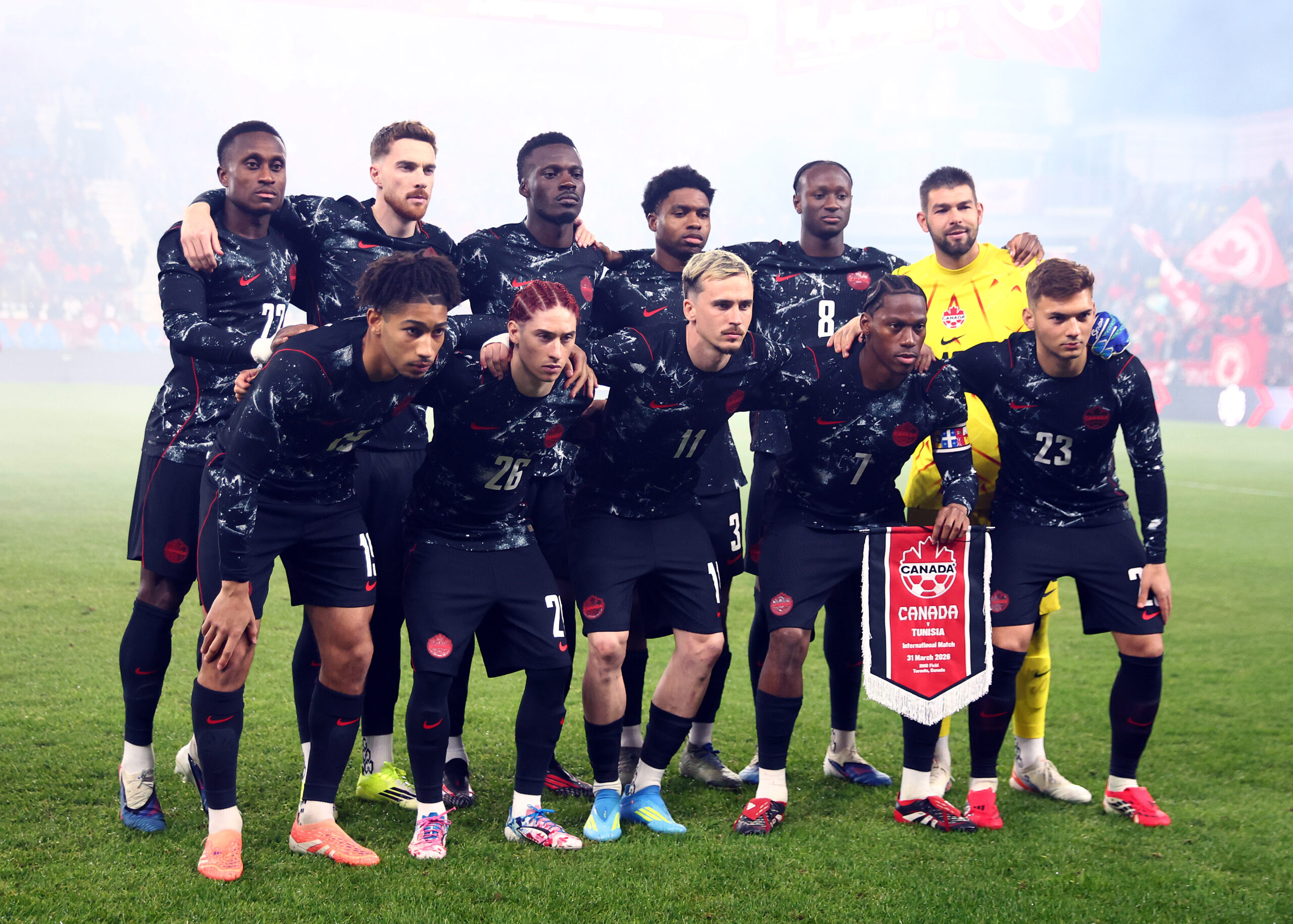

For decades, Canadian soccer existed on the outside looking in. Often overlooked domestically, Canada struggled to establish consistency on the world soccer stage. Yet over the last several years, the beautiful game has experienced a transformation unlike anything seen before in Canada’s sporting history.
What was once considered a nation with occasional flashes of potential has rapidly evolved into one of the fastest-growing soccer countries in North America.
Early Highs and Historic Breakthroughs
Canada’s first major international breakthrough came in 1985. In the final round-robin of the CONCACAF championship, Canada came out on top with five wins and three draws. This triumph that secured qualification to the 1986 World Cup in Mexico and gave Canadian supporters belief that the nation could compete internationally. It would be Canada’s first World Cup appearance, and although they failed to score a goal and exited in the group stage, simply reaching the tournament represented a landmark achievement for the program.
However, sustaining that momentum proved difficult.
Canadian Soccer’s Difficult Years
Following the 1986 World Cup, Canadian soccer entered a prolonged period of inconsistency. Despite producing talented individuals over the years, the national team often fell short during qualifying campaigns.
One of the most painful moments in Canadian soccer history came in 1993 during World Cup qualifying against Australia. Canada narrowly missed qualification for the 1994 World Cup after a heartbreaking intercontinental playoff defeat that still lingers in the memories of longtime supporters.
There were moments of optimism. Canada captured the 2000 CONCACAF Gold Cup in one of the biggest surprises in tournament history, defeating Colombia in the final behind standout performances from players like Craig Forrest and Carlo Corazzin.
Yet even after lifting continental silverware, Canada struggled to translate success into long-term growth.
That’s not to say there wasn’t great talent during those years. There were great talents throughout those years like who represent Canada at the highest levels in Europe and internationally Dwayne De Rosario, Patrice Bernier, Nik Ledgerwood and Tomasz Radzinksi
A New Era of Canadian Soccer Begins
The landscape of Canadian soccer began to change dramatically in the late 2010s.
The arrival of Major League Soccer clubs in Canada, particularly in Toronto, Vancouver, and Montreal, helped expose young players to higher standards of competition and professional development. Soon after, the launch of the Canadian Premier League created additional pathways for domestic talent to emerge.
More importantly, Canada began producing a generation of players capable of competing in top European leagues.
Players like Alphonso Davies, Jonathan David, and Stephen Eustáquio became well known talents across Europe, playing with top teams like Bayern Munich and Juventus. For the first time, Canada was not merely exporting players abroad: it was developing stars capable of thriving at the highest level.
That growth culminated in Canada qualifying for the 2022 FIFA World Cup in Qatar, ending a 36-year absence from the tournament. The qualification campaign reignited passion across the country and introduced a new generation of supporters to Canadian soccer.
Although the team exited in the group stage, moments like Alphonso Davies scoring Canada’s first-ever men’s World Cup goal against Croatia represented another historic milestone for the program.
Building Toward the Future
What makes this era different is the depth now emerging beneath the senior national team.
Canada’s youth system is producing technically gifted players at a rate the country has rarely seen before. Young Canadians are increasingly joining elite academies in Europe and earning opportunities in professional environments earlier in their careers.
The sport itself is also becoming more culturally embedded across the country. Attendance figures continue to rise, grassroots participation remains strong, and the upcoming 2026 FIFA World Cup, co-hosted by Canada, the United States, and Mexico, is expected to elevate the game even further.