
New Zealand and Egypt head to Vancouver on Sunday knowing they must achieve something neither side has ever managed in their World Cup histories: win a match.
With the knockout stages beckoning, a victory at BC Place is likely essential if they are to keep their tournament ambitions firmly in their own hands.
Both nations were denied that historic breakthrough in their opening fixtures after being pegged back by Iran (2-2) and Belgium (1-1) respectively. The results leave Group G in a state of parity, with all four teams locked on a single point heading into the second round of games.
The All Whites: Shaking Off the Underdog Tag
New Zealand entered the tournament as the lowest-ranked of the 48 nations, but their performance in the 2-2 draw against Iran showed how to revel in the underdog tag.
Under the guidance of English head coach Darren Bazeley—the first manager in history to lead a nation at the U-17, U-20, Olympic, and senior World Cups—the All Whites have evolved from part-timers into contenders.
In their opener, New Zealand mixed a long-ball game in with the possession-based football that saw them ease through the Oceania qualifying section. Bazeley’s side recorded 21 touches in the opposition box and 51.5% possession—the highest figures the nation has ever produced in a World Cup match (per Opta).
Rather than just sitting back and defending, they displayed a positivity that saw them record as many shots on target in the first 30 minutes against Iran as they managed during the entire 2010 tournament in South Africa.
The catalyst for this shift has been the partnership between veteran captain Chris Wood and Motherwell winger Elijah Just. The latter made history as the first New Zealander to score a brace in a World Cup match, benefiting twice from assists from Wood.
While Wood didn’t add to his all-time leading goalscorer tally of 45, the target-man’s physical presence was key to the direct style of Bazeley’s team, which will look to exploit any space left by an Egyptian side that occasionally struggled with physical presence in their opener.
The Salah Solution: Egypt’s Tactical Masterstroke
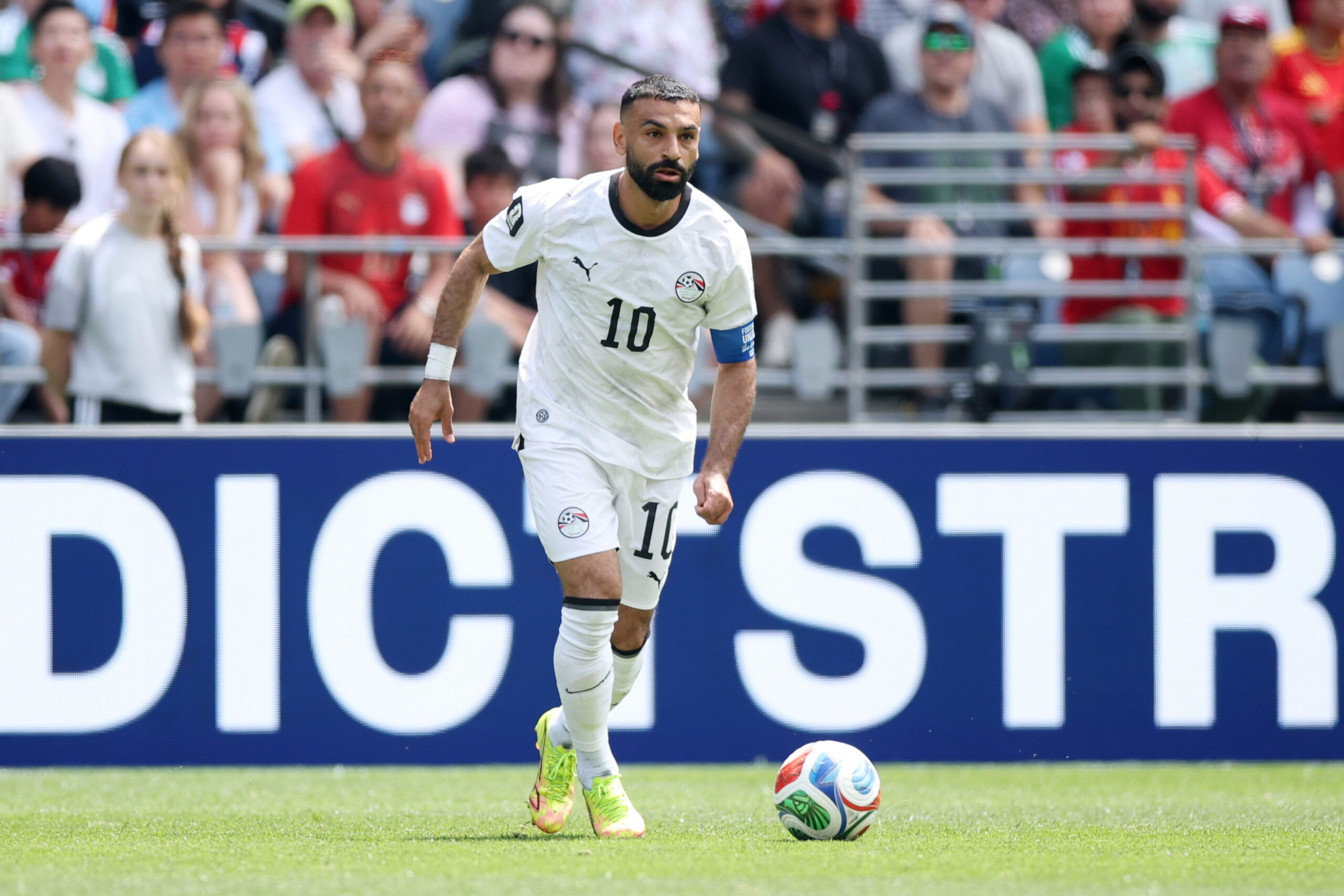
While New Zealand may rely on a more direct approach at BC Place, Egypt’s hopes rest on the tactical switch of their talisman. Mohamed Salah may have arrived in North America following a difficult domestic season with Liverpool, but head coach Hossam Hassan appears to have found a solution to the Egyptian King’s recent struggles.
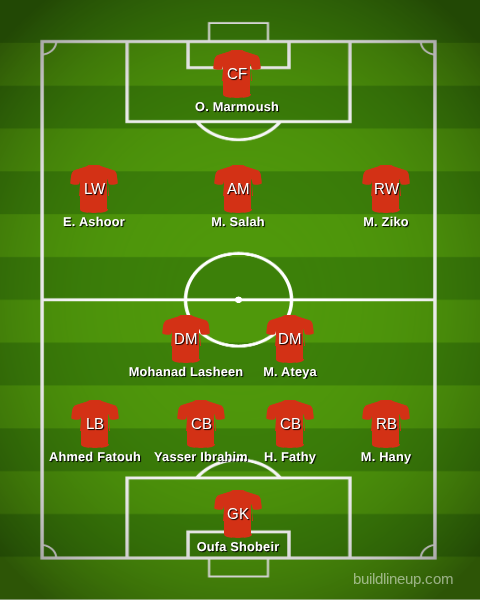
In a move that caught Belgium off guard, Hassan eliminated Salah’s defensive responsibilities entirely by shifting him off the right wing and into the No. 10 role. By playing in the pocket behind striker Omar Marmoush, Salah was able to conserve his energy for creative bursts.
The move paid immediate dividends: it was Salah who orchestrated the opening goal against Belgium, setting up Emam Ashour, whose 19th-minute strike was the fastest in Egypt’s World Cup history.
Crucially, this shift also added defensive solidity. With Mostafa Ziko taking over the right-wing duties, Egypt was able to double up defensively, successfully nullifying Belgium’s Jeremy Doku for much of the match.
Egypt will certainly have to pay close attention to New Zealand attacker Just, but the Pharaohs are likely to play a more expansive style against the minnows of Group G.
Tactical Analysis: Directness vs. Discipline
New Zealand’s direct style worked wonders against Iran’s unsettled defence, but Egypt’s rearguard is a well-oiled machine. The Pharaohs do not rely solely on sitting back; they are comfortable holding the ball and using the vision of Salah to unleash the pace of Marmoush and Ziko on the break.
If New Zealand allows the game to become frantic as they did in Los Angeles, they risk being picked apart by Egypt’s technical players. However, if they can maintain the high-intensity pressure led by Wood in the opener, they may force errors from an Egyptian backline that looked momentarily rattled by Romelu Lukaku’s physical presence in the closing stages of their match against Belgium.
Key Players to Watch: Just and Salah – Battle of the No. 10s
The outcome of Sunday’s clash will likely be decided by the showdown between the two creative engines operating in the final third. While they have different styles, both Elijah Just and Mohamed Salah will be the men tasked with breaking the deadlock.
Elijah Just (New Zealand) – The 26-year-old winger came into this World Cup off a sensational breakthrough season with Motherwell in the Scottish Premiership and announced his arrival in clinical fashion. By netting a brace against Iran, Just became the first New Zealander to score more than once in a single World Cup match. Able to operate on either flank or in the middle, Just has been given licence to roam. He excelled at ghosting into the box while Iran’s defenders were occupied by the hulking presence of Wood.
His ability to find pockets of space in and around the area will provide a different kind of test for an Egyptian defence that dealt well with the powerful, direct running of Doku in their previous match. If Just can maintain his clinical form, he could be the man to finally end New Zealand’s winless streak at the finals.
Mohamed Salah (Egypt) – For Salah, this tournament represents a chance to secure a legacy that has so far eluded him on the global stage. Moved into a central role behind striker Marmoush by Hossam Hassan, Salah has transitioned from a pure goal-scorer into a provider. Against Belgium, he looked back to his best, threading several sublime through-balls through to his strike partner, who really should have converted one to secure victory.
By playing centrally, he forces opposition holding midfielders into a difficult choice: track him and leave the wings exposed, or sit deep and allow him to pick them apart.
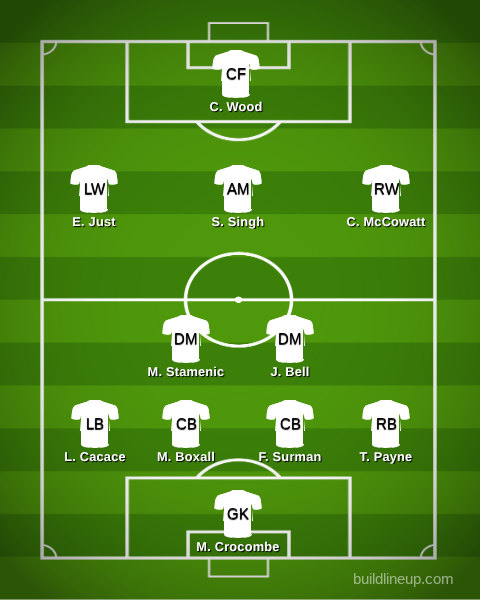
New Zealand predicted lineup
Egypt Predicted lineup
Match Details
Kickoff at 9 pm ET
BC Place – Vancouver