
This weekend marks an unprecedented convergence of global sporting events, drawing eyes from every corner of the world to screens big and small.
The Milano Cortina Winter Olympics kick off their first full days of competition, the NFL’s Super Bowl LX caps off the American football season, and the Premier League delivers a blockbuster clash between Liverpool and Manchester City. These aren’t just games. They’re cultural phenomena, blending athletic prowess, national pride, and commercial juggernauts.
Collectively, these events are poised to captivate billions, shattering viewership records and underscoring sports’ unrivaled ability to unite humanity in real-time excitement. But just how many people are watching? Let’s break down the peak expected concurrent viewers for each, highlighting why this weekend stands as a pinnacle of global entertainment.
The Winter Olympics
Hosted across northern Italy’s stunning alpine landscapes, the 2026 Winter Olympics began on February 6 with a dazzling opening ceremony that drew 21.4 million viewers in the U.S. alone across NBC and Peacock. This figure represents a 34% jump from the 2022 Beijing Olympics, fueled by enhanced streaming options and out-of-home measurement.
Globally, the IOC anticipates a significant uptick from the 2.01 billion unique viewers who tuned into Beijing across the entire event. Organizers are projecting even higher engagement this time around thanks to broader digital access and star-studded promotions like Mariah Carey’s performance.
A Big Weekend
For peak concurrent viewership, focus shifts to marquee events on February 7 and 8. Saturday’s lineup includes high-interest competitions like the women’s 7.5km sprint biathlon, freestyle skiing men’s freeski slopestyle qualifying, and the figure skating team event rhythm dance disciplines that historically spike audiences.
Sunday brings finals in snowboard men’s parallel giant slalom, speed skating men’s 5000m, women’s downhill, and the figure skating team event ice dance free dance. According to a Seton Hall poll, figure skating tops fan interest at 59%, followed by snowboarding at 33%, (which draws younger demographics).
Peak concurrent global viewers for these highlight events are expected to reach around 500 million, based on past Winter Games patterns where opening ceremonies and prime-time finals often hit 400-600 million simultaneously, especially in Europe, Asia, and North America. With 58% of U.S. consumers planning to watch up from previous cycles and streaming surging (63% via platforms like Peacock), the Olympics’ distributed nature across time zones ensures sustained high concurrency. This weekend’s early medal races could push peaks higher, as live digital consumption is forecasted to make 2026 the most streamed Olympics yet.
Super Bowl LX
Shifting to the gridiron, Super Bowl LX kicks off on February 8 at Levi’s Stadium in Santa Clara, California. It will pit the Seattle Seahawks against the New England Patriots. It’s a matchup that’s already generating buzz despite lacking the Kansas City Chiefs’ dynasty drama or Taylor Swift’s star power.
The 6:30 p.m. ET event promises a spectacle of athleticism, halftime entertainment, and iconic ads. U.S. viewership is projected at 127.7 million, building on last year’s record 126.7 million for the Eagles-Chiefs blowout. This continues a three-year streak of growth aided by Nielsen’s inclusion of streaming and out-of-home data.
Globally, the event is expected to draw over 200 million concurrent viewers. It’s a figure that has swelled in recent years due to international broadcasts in over 180 countries and the NFL’s push into markets like Europe and Asia. This peak concurrency reflects the game’s single-event focus, where audiences tune in simultaneously for the action, commercials, and cultural moments. With 69% of U.S. consumers intending to watch (up 4 points from 2025), the Super Bowl remains America’s unofficial holiday, blending sports with entertainment to achieve these staggering numbers. Factors like NBC’s sold-out ad inventory and integration with Olympic coverage further amplify reach, potentially setting another all-time high.
Liverpool vs. Manchester City
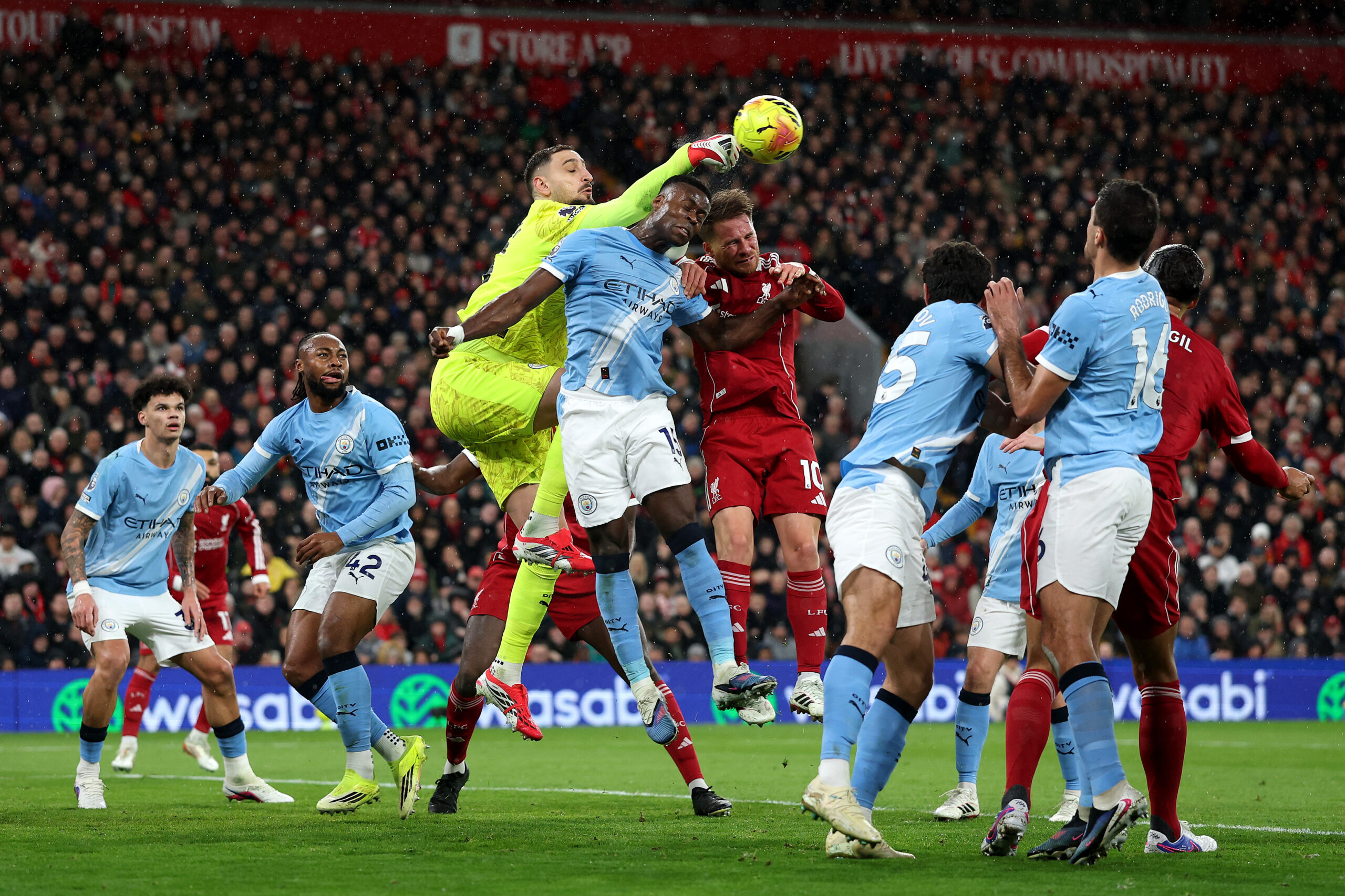
Across the Atlantic, the Premier League’s titanic tussle between Liverpool and Manchester City at Anfield is already underway. This fixture, which Liverpool coach dubbed “The English El Clasico” , features tactical masterminds and star players vying for title implications in the 2025-26 season.
Expected peak concurrent viewers? A whopping 800 million globally, making it one of the most-watched league games ever. It will be broadcast on platforms like Sky Sports in the UK, Peacock in the U.S., and networks worldwide. The match’s appeal stems from the clubs’ massive fanbases, Liverpool’s historic legacy, and City’s recent league dominance. Viewership predictions highlight its accessibility: free-to-air options in some regions, coupled with the Premier League’s 4.7 billion cumulative global audience per season, ensure massive concurrency during the 90-minute thriller. Analysts peg a draw as likely at 26.7% probability, but the drama alone potential goals, controversies, and title race stakes will keep viewers glued.
A Concurrence of Billions
Collectively, these events could see over 1.5 billion people watching sports concurrently at various peaks this weekend, a testament to sports’ borderless draw. The Winter Olympics’ multi-event format spreads viewership across days, while the Super Bowl and Liverpool-Man City offer concentrated bursts. Overlaps are minimal due to time zones the soccer match wraps before the Super Bowl begins, with Olympics filling gaps but shared audiences exist, as 45% of U.S. viewers plan to catch both the Big Game and Games. This synergy boosts overall engagement, with streaming revolutionizing access: 53% for Super Bowl, 63% for Olympics. Economically, it’s a boon NBC’s Olympic ads sold out, Super Bowl spots fetch millions and culturally, it fosters unity amid global challenges.
In an era of fragmented media, this weekend reaffirms sports’ power to command collective attention. Whether cheering for Olympic medals, Super Bowl glory, or Premier League points, billions are united in the thrill. As viewership metrics evolve with Big Data, expect these numbers to climb, solidifying 2026 as a landmark year for sports fandom.