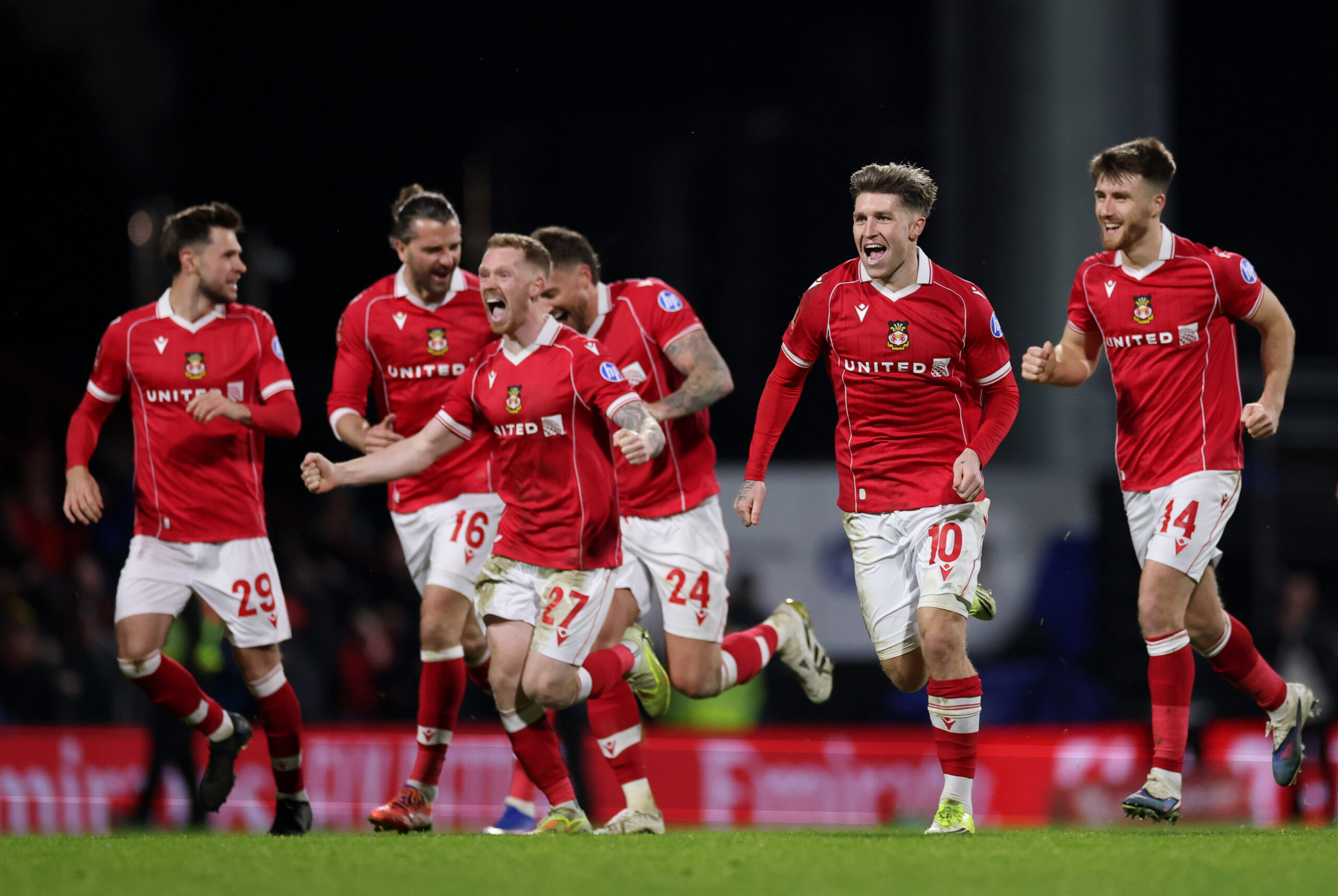
The 27th of February 1982 was the last time Chelsea travelled across the Welsh border to enter the Racecourse Ground for a competitive clash with Wrexham.
Played in the old Division Two (now the Championship), Chelsea;’s John Neal witnessed a disappointing 1–0 loss thanks to a 66th-minute Frank Carrodus goal. With the programme costing only 25p and a ticket priced at £2.80, this was a completely different footballing universe to the one that will surround Saturday night’s encounter.
A Clash of Global Brands
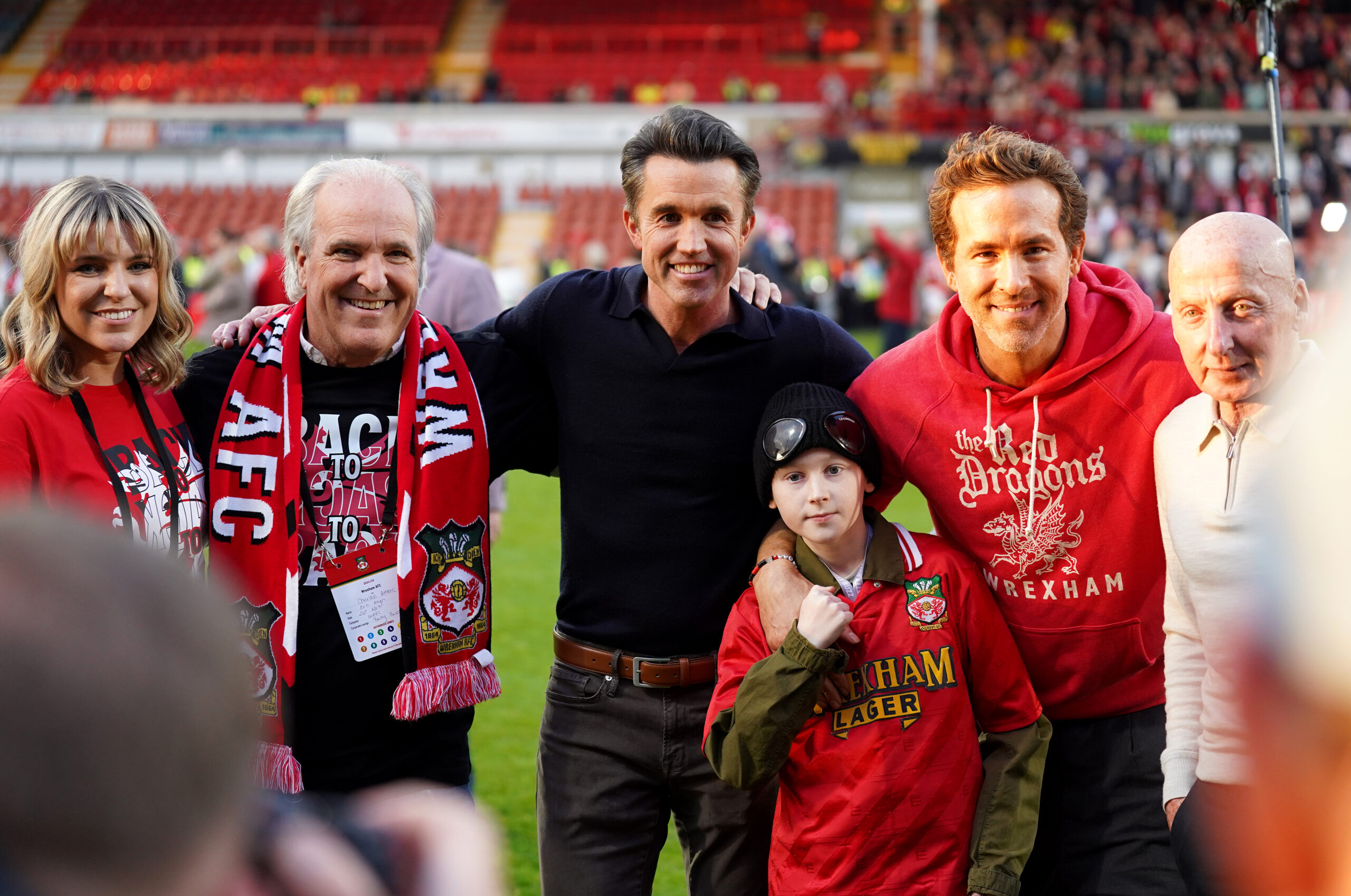
Wrexham and Chelsea are both global names (one more recently famous), are both owned by Americans (and a very famous Canadian), and reflect the growing stateside dominance in English football ownership.
Of course, that is where the comparisons probably conclude. For all the Hollywood glitz and American eyes on either club can provide parallels, the stories of both ownerships are wildly different. Ryan Reynolds and Rob McElhenney picked up a club stranded in non-league with a community despondent. The Boehly/Clearlake takeover came amid unique sanctions triggered by Russia’s invasion of Ukraine, tasked with continuing a legacy of consistent success.
Reynolds and McElhenney had lofty goals yet have still overdelivered, ushering in success unparalleled for several generations of Wrexham supporters. Boehly/Clearlake, on the other hand, always had a steep task following up 20 years of almost guaranteed silverware on a yearly basis.
Two Different Styles
The acting duo, despite their Hollywood status, have fully bought into the community. A recent quote by Reynolds encapsulated why they have become so popular, and why they are worth admiring for the club’s transformation over the past six years.
“We have a very hands-off management style. Our job is to listen, learn, and tell the story. We don’t make football decisions. And actually the great gift of that is that we’re able to have relationships with the players at Wrexham, whereas most people in our position can’t.”
Reynolds has also expressed that if he and his co-owner are thriving but the community isn’t, that cannot be considered a success.
At Chelsea, the opposite is near a consistent accusation. The owners take a very hands-on approach to all facets of the club without the humility to learn at all. Very early in their tenure, Clearlake’s Behdad Eghbali went on record declaring that the previous Abromovich ownership oversaw a club that was “not terribly well managed on the football, sporting or promotional side.”
It’s a quote that has come back to haunt the owner. On-pitch results have disappointed; off-pitch choices have sparked scorn. Commercially… the less said the better.
The very hands-on approach has been widely lambasted as a sign of naivety, or at worst, arrogance. Whilst Wrexham fans probably have never felt closer to their club, many Chelsea supporters have never felt more distant from theirs.
Expectations vs. Results
Winning makes any owner an almost holy figure amongst supporters — that is very simple. For all many of us love Deadpool or It’s Always Sunny in Philadelphia, the affection for that entertainment would do little to restrain contempt if footballing decisions were consistently incompetent. Wrexham also are not expected to compete for the Premier League or Champions League.
For all their rise has been extraordinary, supporters are probably not revolting if this season ends with the club merely retaining Championship football. At Stamford Bridge, even after Wednesday’s morale-boosting win at Aston Villa, anything other than Champions League qualification and some form of silverware will be seen as regression.
There has been an underlying resentment bubbling since the initial takeover. The fear of failing this season is very real for Chelsea — and what could come next — as we dissected within the recent galling financial results.
Whether you are just a casual viewer of Welcome to Wrexham, an objectively engaging piece of television, it is impossible not to sense the deep care and dedication the club’s ownership has for making it work — and beyond that, grasping the emotional capital baked into the relationship between club, owner and supporter.
Saturday is a reflection of the varying impacts of how North American ownership has been felt across English football.
You can follow my coverage of Chelsea on YouTube at SonOfChelsea. More written coverage of the club on Substack. Follow me on X for more thoughts, along with listening to the podcast.