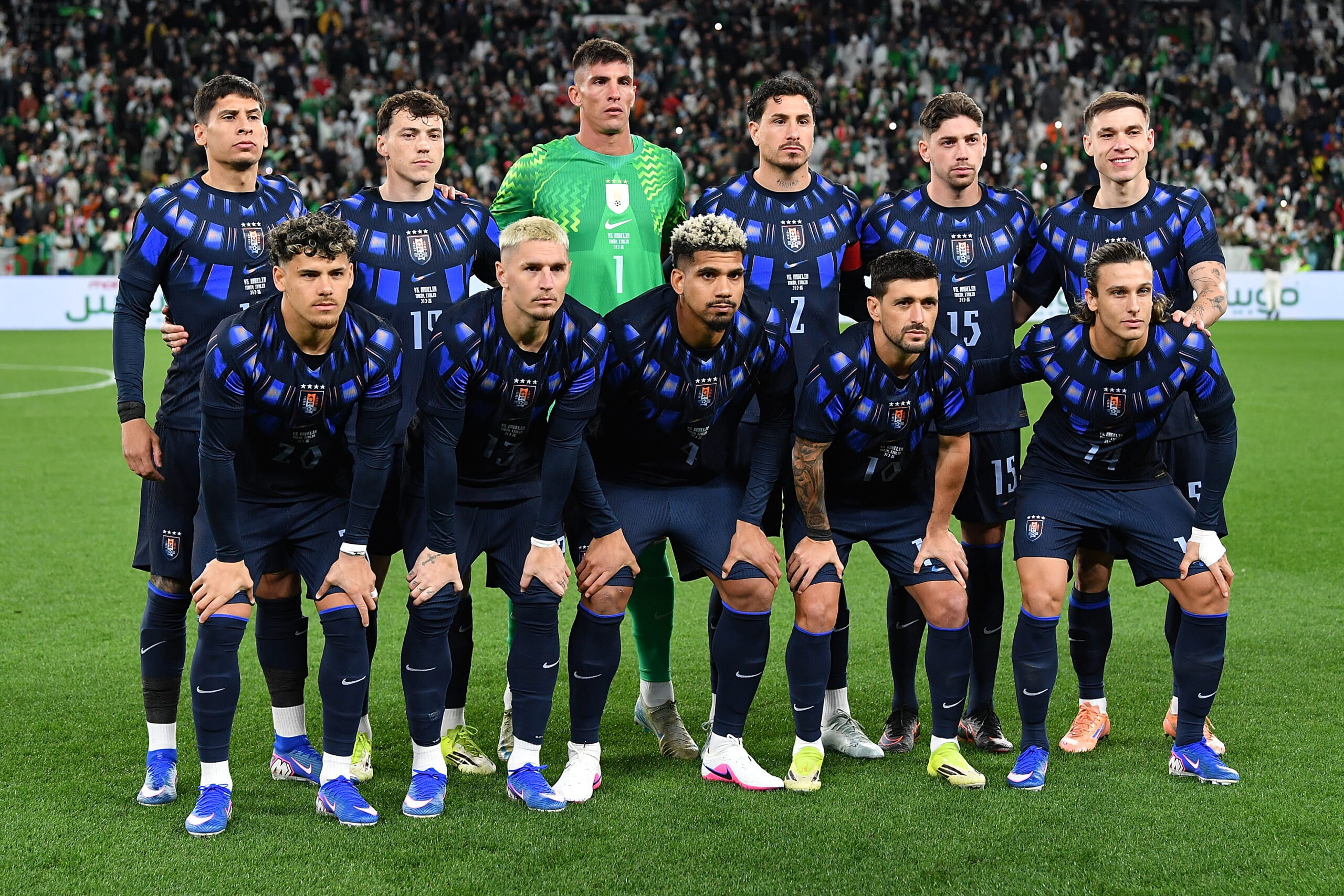

The Uruguay World Cup squad has finally been announced by head coach Marcelo Bielsa. Uruguay finds itself in Group H of the 2026 FIFA World Cup alongside Spain, Saudi Arabia, and Cape Verde, in what promises to be one of the tournament’s most fascinating groups.
The two-time world champions arrive in North America carrying a mixed bag of elite European talent, experienced veterans, and Bielsa’s famously demanding philosophy. Here is a comprehensive look at the Uruguay World Cup squad and what to expect from La Celeste this summer.
Uruguay World Cup Squad: The Build-Up
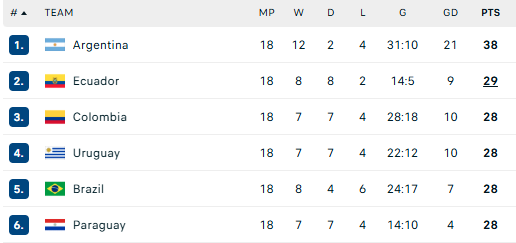
Uruguay secured direct qualification by finishing fourth in the CONMEBOL standings, accumulating 28 points from 18 matches through seven wins, seven draws, and four defeats. They scored 22 goals while conceding just 12, finishing level on points with Colombia, Brazil, and Paraguay before goal difference separated the sides.
The qualification campaign was defined by a remarkable stretch in late 2023 when Marcelo Bielsa’s vision finally started clicking. Uruguay defeated Brazil 2-0 in Montevideo before traveling to Buenos Aires and stunning reigning world champions Argentina with a famous 2-0 victory.
Those results served as a declaration that Uruguay would be taking this tournament seriously. Bielsa’s exhausting new identity built on relentless pressing and a fearless defensive line had transformed Uruguay. Players unable to meet those requirements were gradually phased out regardless of reputation or legacy.
As a result, the Uruguay World Cup squad heading to North America reflects Bielsa’s philosophy almost perfectly.
Uruguay World Cup Squad: The Defense
Bielsa loves his backline, and his system places enormous responsibility on defenders. Center-backs are often left isolated in large spaces, while full-backs are expected to attack aggressively and recover quickly.
Goalkeepers
| Player | Club | Age |
| Fernando Muslera | Estudiantes | 39 |
| Sergio Rochet | Internacional | 33 |
| Santiago Mele | Monterrey | 28 |
Sergio Rochet
Rochet enters the tournament as Uruguay’s undisputed number one goalkeeper. His great stint at Internacional coupled with his leadership and command of the penalty area make him one of the first names on Bielsa’s team sheet.
Fernando Muslera
After retiring in 2024, The veteran goalkeeper is back and preparing for what could be his fifth World Cup appearance. At 39 years old, Muslera’s experience is invaluable for a relatively young squad navigating the pressures of international tournament soccer.
Santiago Mele
Mele rounds out the goalkeeping group and provides a reliable backup option should injuries or suspensions occur.
Defenders
| Player | Club | Age |
| José María Giménez (captain) | Atlético Madrid | 31 |
| Matías Viña | River Plate | 28 |
| Mathías Olivera | Napoli | 28 |
| Guillermo Varela | Flamengo | 33 |
| Ronald Araújo | Barcelona | 27 |
| Sebastián Cáceres | América | 26 |
| Joaquín Piquerez | Palmeiras | 27 |
| Santiago Bueno | Wolverhampton Wanderers | 27 |
Ronald Araújo and José María Giménez are the two La Liga stars who form one of the strongest defensive pairings in international soccer. Giménez didn’t have the best of domestic seasons but is set to play his 100th match for Uruguay when he plays at the World Cup. While Araújo’s recovery speed allows Uruguay to maintain Bielsa’s notoriously high defensive line. Araujo can also play as a right back if needed against pacy opponents, particularly Nico Williams when they face off in the group stage.
Santiago Bueno and Sebastian Caceres both provide valuable depth in central defence and have proven themselves capable of stepping into high-pressure situations without disrupting the team’s structure.
Mathías Olivera and Matías Viña both are aggressive, attacking left-backs who thrive on overlapping runs and pinning opposition wingers deep into their own half. Olivera can also play centre-back.
Guillermo Varela and Joaquín Piquerez are the also additional full backs heading to the World Cup. Varela’s defensive discipline balances the attacking instincts of the rest of the back line, while Piquerez offers additional versatility across multiple defensive positions.
Uruguay World Cup Squad: The Midfield
If Uruguay is going to make a deep World Cup run, it will likely be because of Bielsa’s exceptional hand-picked midfield.
| Player | Club | Age |
| Rodrigo Bentancur | Tottenham Hotspur | 28 |
| Federico Valverde (vice-captain) | Real Madrid | 27 |
| Giorgian de Arrascaeta | Flamengo | 31 |
| Facundo Pellistri | Panathinaikos | 24 |
| Manuel Ugarte | Manchester United | 25 |
| Nicolás de la Cruz | Flamengo | 28 |
| Brian Rodríguez | América | 26 |
| Maximiliano Araújo | Sporting CP | 26 |
| Agustín Canobbio | Fluminense | 27 |
| Emiliano Martínez | Palmeiras | 26 |
| Rodrigo Salazar | Braga | 26 |
| Juan Manuel Sanabria | Real Salt Lake | 26 |
The Core
Federico Valverde (Real Madrid)
Valverde remains Uruguay’s most important outfield player. The Real Madrid man’s ability to carry the ball through midfield, strike from distance, press relentlessly, and contribute defensively makes him one of the most complete midfielders in world soccer.
Rodrigo Bentancur (Tottenham Hotspur)
Fresh off of helping Spurs stay up, Bentancur serves as the metronome of the team. His composure under pressure and ability to dictate tempo provide the perfect complement to Valverde’s explosiveness.
Manuel Ugarte (Manchester United)
Ugarte functions as Uruguay’s destroyer in midfield. His role is simple: win the ball back, break up counterattacks, and allow the more creative players to flourish. While not many fans were sure or happy with Ugarte’s call-up, Bielsa believes in him and needs a profile like that.
The Brazilian Contingent:
Nicolás de la Cruz, Agustín Canobbio, Emiliano Martínez and Giorgian de Arrascaeta are all Uruguayan nationals playing in Brazil.
Bielsa has heavily leaned on talent working their magic in the Brazilian Serie A. Flamengo’s Nicolás de la Cruz and Fluminense’s Agustín Canobbio offer relentless pressing energy and creativity in tight spaces. They are joined by Palmeiras’s Emiliano Martínez and Flamengo’s Giorgian de Arrascaeta, the latter providing a touch of traditional playmaking brilliance needed to unlock stubborn low blocks.
Wide Options
Panathinaikos’s Facundo Pellistri and Sporting CP’s Maximiliano Araújo are crucial for providing direct, vertical width. They are complemented by Club America’s Brian Rodríguez and Braga’s Rodrigo Zalazar, who bring different creative dimensions to the final third. Real Salt Lake’s Juan Manuel Sanabria is also a fascinating inclusion. Earning his spot through stellar MLS performances, Sanabria is the least capped player in the World Cup squad.
Uruguay World Cup Squad: The Attack
There was once a time when Uruguay could call upon Luis Suárez, Edinson Cavani, and Diego Forlán to lead the line.
| Player | Club | Age |
| Darwin Núñez | Al-Hilal | 26 |
| Federico Viñas | Oviedo | 27 |
| Rodrigo Aguirre | UANL | 31 |
This World Cup will look very different. Uruguay travels to North America with only three recognized center forwards.
Darwin Núñez (Al Hilal)
This is unquestionably Darwin Núñez’s team now.
The former Liverpool striker has become the focal point of Uruguay’s attack. While never being consistent enough in leading the attack, Nunez is the only out and out star attacker Bielsa has at his disposal, so picking him was necessary.
Whether Uruguay succeeds or fails at the World Cup may ultimately depend on Núñez’s ability to convert chances consistently.
The Deputies
Federico Viñas and Rodrigo Aguirre will be helping out at the front as Darwin Nunez’ understudies.
Both forwards provide valuable depth and offer different tactical options from the bench. While neither possesses Núñez’s star power, both are capable of executing Bielsa’s demanding tactical instructions.
Uruguay will still expect many of its goals to come from midfield runners rather than relying solely on its strikers.
The Major Omissions
The biggest story surrounding the Uruguay World Cup squad is undoubtedly the absence of Luis Suárez.
The legendary striker, Uruguay’s all-time leading scorer with 69 international goals, has been left out despite publicly stating he would love to play the World Cup.
Suárez retired from international soccer in 2024 following public criticism of Bielsa’s methods. Although he reportedly apologised, Bielsa ultimately remained committed to his chosen group.
Other notable omissions include:
- Lucas Torreira (Galatasaray)
- Facundo Torres (Austin FC)
- Franco Israel (Torino) and many more.
Bielsa doesn’t play around. If he thinks you’re not a good fit for his system, he will never call you up just to please the fans.
Uruguay at the 2026 FIFA World Cup
The Uruguay World Cup squad faces one of the most intriguing groups in the tournament.
Group H
- Spain (Final Roster)
- Uruguay
- Cape Verde (Final Roster)
- Saudi Arabia
Saudi Arabia should theoretically represent Uruguay’s most manageable fixture, though Saudis defeating Argentina in 2022 mean that they can cause an upset any day.
Cape Verde arrives as one of the tournament’s biggest underdog stories and possesses enough athleticism and physicality to trouble any opponent.
The standout fixture, however, will undoubtedly be Spain versus Uruguay. That match could determine who wins Group H and secures a potentially easier path through the knockout rounds.
With Bielsa’s intense tactical regime, world-class midfield talent led by Federico Valverde, and a defense anchored by Ronald Araújo and José María Giménez, Uruguay enters the tournament as one of the most dangerous dark horses in the competition.
Nobody will want to face La Celeste in the knockout rounds.
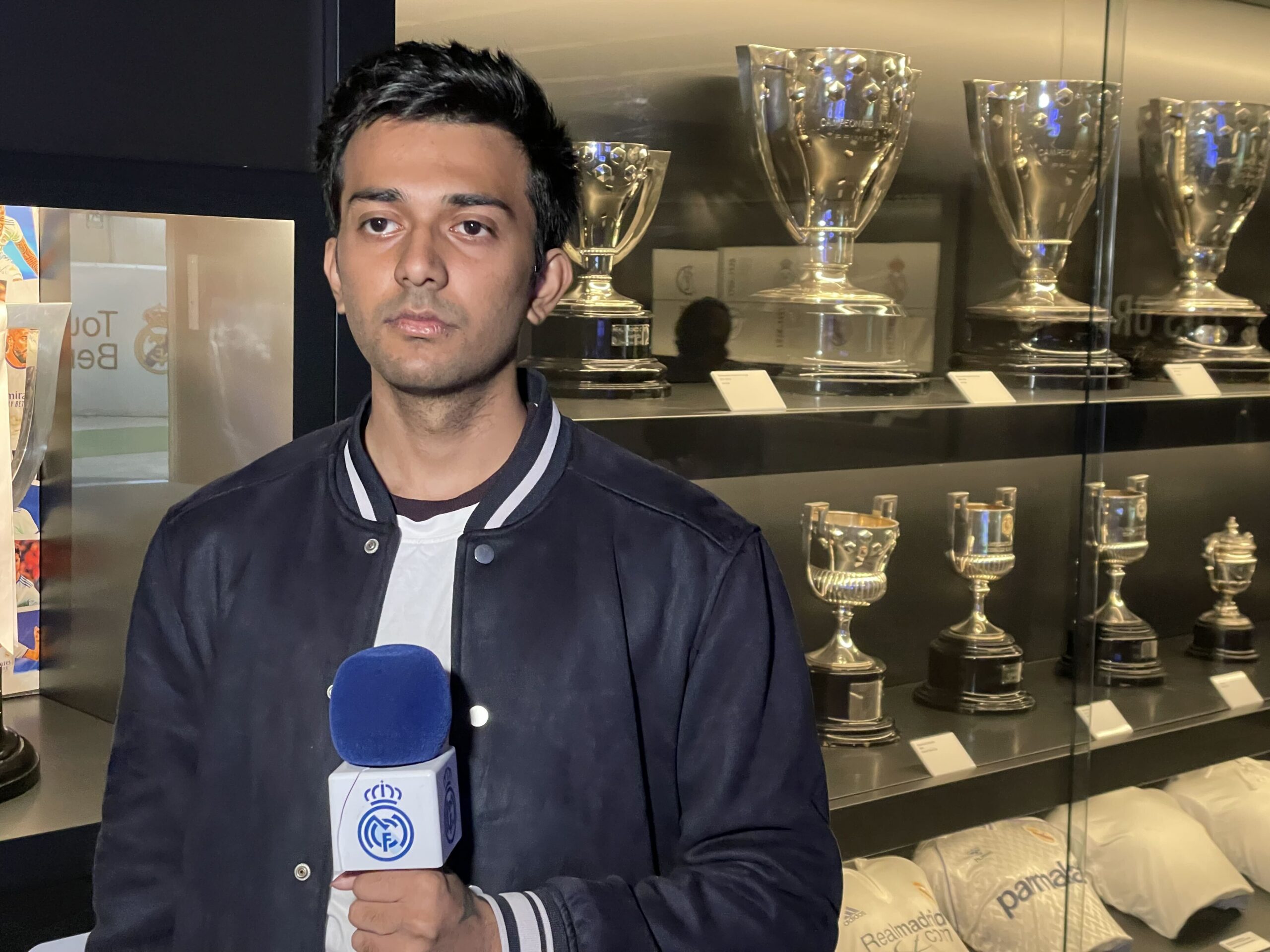
Abhik Deb is an accomplished sports journalist and content creator, renowned for his innovative approach to digital storytelling within the football world. With a Master’s degree in Sports Journalism and Communications from Universidad Europea de Madrid, Abhik brings a sophisticated understanding of both traditional journalistic tenets and contemporary digital media strategies to his work. His professional journey includes a significant tenure as a multimedia journalist at Real Madrid C.F., where his contributions spanned video editing, scriptwriting, and on-camera presenting. Notably, Abhik made history as the first Indian to record a live stand-up from the hallowed Santiago Bernabéu pitch for Real Madrid TV, underscoring his pioneering spirit and influential presence. A specialist in La Liga and Spanish football, Abhik excels at captivating audiences through viral football content and insightful documentary-style videos. His natural ability to blend rigorous journalism with creative digital storytelling is evident in his independent fan channel, ‘LaLigaVic,’ where he cultivates a growing audience through engaging, original coverage of Spanish football culture. Abhik’s proficiency extends to social media strategy and audience engagement, crucial skills in today’s digital landscape. You can explore more of Abhik’s work on Hooligan Soccer and Muckrack. Connect with Abhik on Instagram, LinkedIn, and YouTube to follow his continuous dedication to delivering high-quality, authoritative sports content.