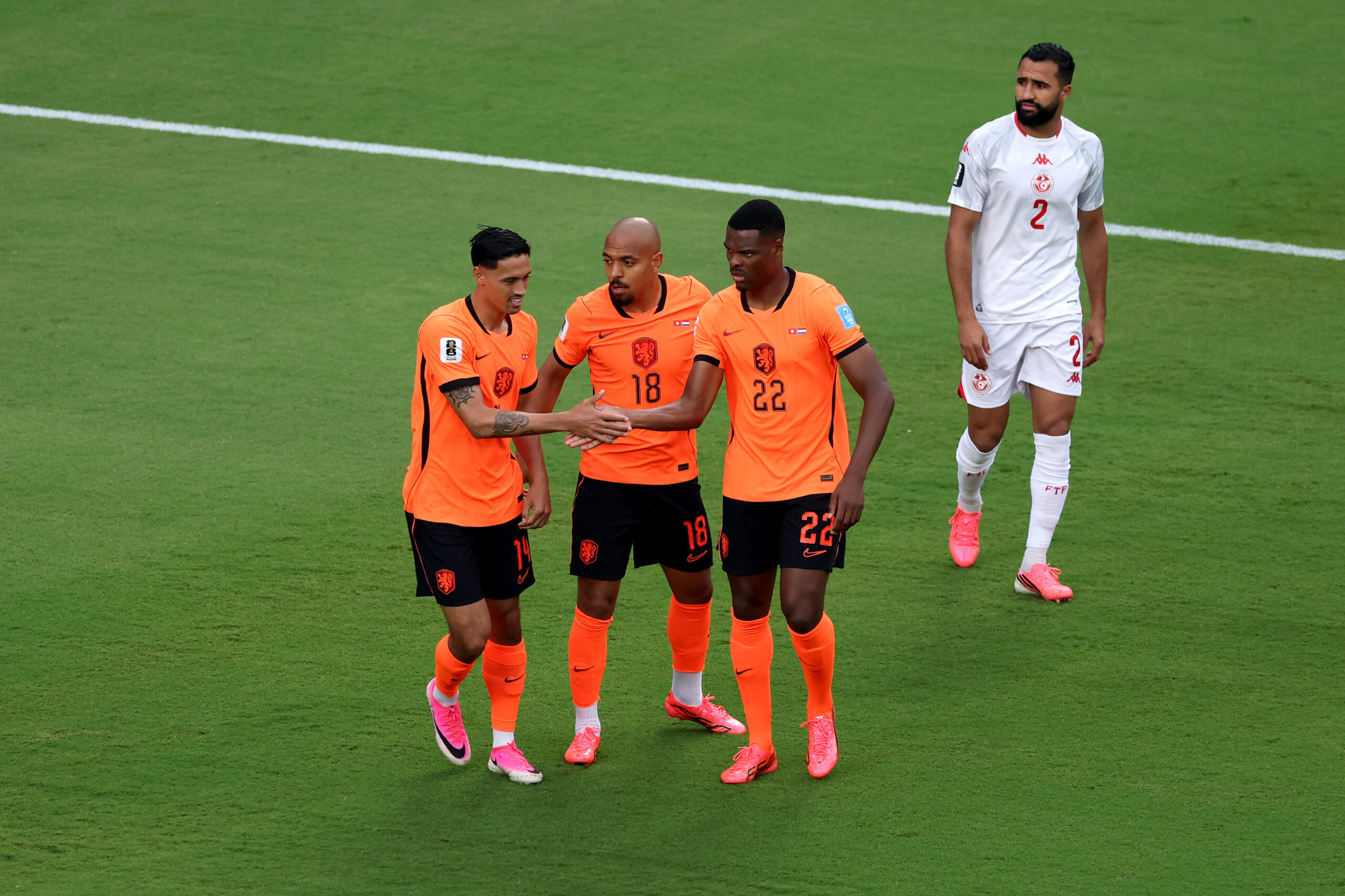

When the 2026/27 Nations League draw came out, the Netherlands, Germany and Serbia were the names that mattered in Group A2. Greece looked like the side making up the numbers. Four games later, Greece have eight points, the same as the Dutch; only goals scored (the third tiebreaker) keep Oranje on top. Der Mannschaft is three points back on five. Poor Serbia has none.
What’s at Stake
The top two in each League A group advance to the quarter-finals in March. With only two games remaining, this fixture could decide at least one of those positions. UEFA’s scenarios are clear. A Greek win in Amsterdam clinches the group. The Netherlands go through if they win and Germany fail to win in Belgrade, or if they draw and Germany lose.
What happens to the loser is more complicated, as myriad other factors in the Germany-Serbia game, or Monday’s final fixture, could have an impact. The Netherlands will travel to neighbor/rival Germany, while Greece will host the already-eliminated Serbians.
Neither team is truly safe unless they win.
History and Previous Match
History clearly favors the Dutch. They’ve won nine of the 12 meetings, with two draws and only one Greek win, a 2-1 friendly in Amsterdam in 2016. In Euro 2024 qualifying, the Netherlands won 3-0 at home and 1-0 in Athens.
But the meeting on October 1 did not follow that script. In Thessaloniki, a Fotis Ioannidis strike in the 23rd minute inspired Greece to a 2-0 halftime lead. Behind the eight ball, the Netherlands was forced to dig deep and rally. Stalwart captain Virgil van Dijk pulled one back in the 59th from a corner. Denzel Dumfries proceeded to see two goals called back for offsides, and it looked to be grim for the visitors until substitute Tijjani Reijnders equalized in the 89th minute.
There was a collective sigh of relief across the lowland country, not to mention the locker room. That point kept newly appointed manager Xavi unbeaten after four matches as a national team coach. The draw ended Greece’s two game win-streak, but ensured this upcoming fixture would carry significant weight.
Dutch Roster Shake-Up
The Dutch are still settling into a new era. Ronald Koeman resigned after a round-of-32 penalty shootout loss to Morocco at the World Cup, and the Spaniard Xavi became Oranje’s first foreign coach since Ernst Happel in 1978.
But the biggest change in this window is that the Netherlands have lost their captain. This is the first match in nearly two years that van Dijk will fail to start. The 35 year-old center-back excused himself on Monday due to lack of fitness. Sunderland striker Brian Brobbey also withdrew. On the same day. For the same reason. Highly sus, right?
In the tight timeframe, Xavi opted to not call up any replacements. This means Oranje is down to 23 players. This seems particularly odd given that Wout Weghorst, the Eredivisie’s top scorer with FC Twente, is available.
With Ryan Gravenberch, Jeremie Frimpong, Jorrel Hato and Nathan Aké all out injured as well, this Dutch side looks quite different from the World Cup side fielded only five months ago.
A Depleted Greece
The visitors have also been forced into making some alterations. Midfielder Christos Zafeiris and right back Manolis Saliakas are suspended after piling up yellow cards. Nineteen year-old sensation Christos Mouzakitis is playing with the U21 team, leaving a big hole in the defensive midfield. Ivan Jovanovic gave Anderlect’s Ilias Koutsoupias a first time senior call-up to help plug the gap. There are also fitness questions: Dimitris Kourbelis has a sprained ankle, and while Christos Tzolis is back from the muscle problem that forced him off in Thessaloniki, his availability is currently unknown.
Players to Watch
There is some good news in the Dutch camp, however. Frenkie de Jong is back for the first time since he tore his MCL at the World Cup, and Ian Maatsen returns at left back. The frighteningly in-form Donyell Malen should lead the Dutch attack in place of Brobbey. He arrives with eight goals in nine Serie A games for AS Roma. Mexx Meerdink, who scored twice in Belgrade, is the alternative. The (relatively) young pairing of Jan Paul van Hecke (26) and Micky van de Ven (25) will become the center-back pairing.
Ioannidis and Vangelis Pavlidis are the two strikers in Greece’s 4-4-2, and will be charged with trying to catch the Dutch defense sleeping with lightning quick counter-attacks. On the other end of the pitch, Konstantinos Mavropanos is once again fit enough to anchor a defense that has kept two clean sheets against Germany. One big surprise from Jovanovic was recalling former captain Anastasios Bakasetas. The 33 year-old attacking midfielder was omitted from the previous four matches, and his return has caused an uproar across social media, both positive and negative.
Match Details
- Competition: UEFA Nations League, League A, Group 2, Matchday 5
- Date: Friday, November 13, 2026
- Kickoff: 2:45 p.m. ET / 11:45 a.m. PT (20:45 CET)
- Where: Johan Cruijff ArenA, Amsterdam
- Watch: Broadcast live on FS1; streaming on Fubo

The Qooligan is an alias of Hooligan Soccer founder Q Williams. Q is a 20+ year veteran of numerous technology and media companies, including MTV, Gracenote, Watchwith and Crunchyroll. He has a master’s degree in European History from Columbia University. Q is also a respected Sports Journalist with extensive experience in Soccer, particularly the Premier League, Champions League, MLS and USL. The Qooligan provides analysis and valuable insights based on years of professional practice. Connect with The Qooligan on X and Bluesky. He is committed to delivering accurate, trustworthy content that reflects expertise, experience and no shortage of attitude.