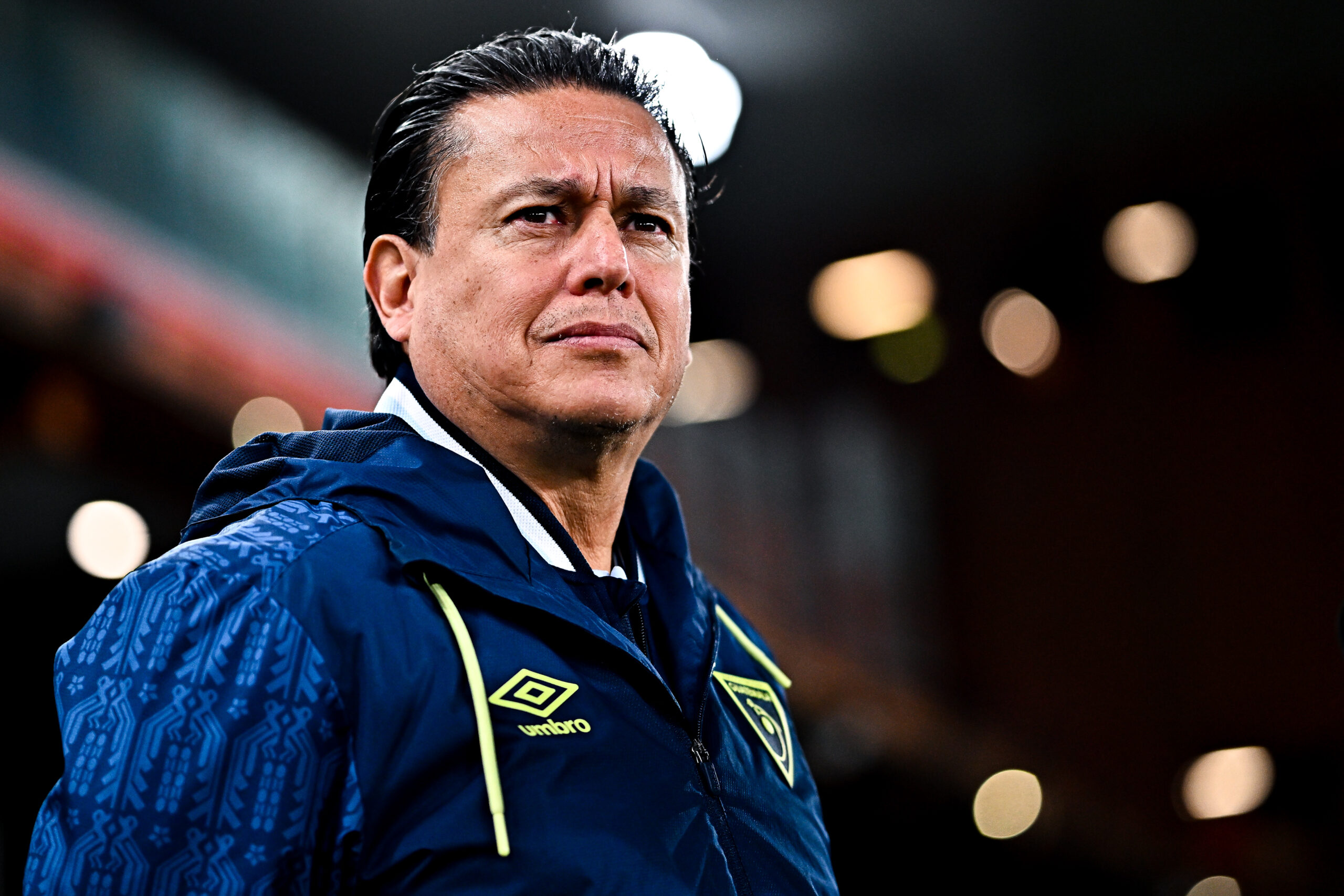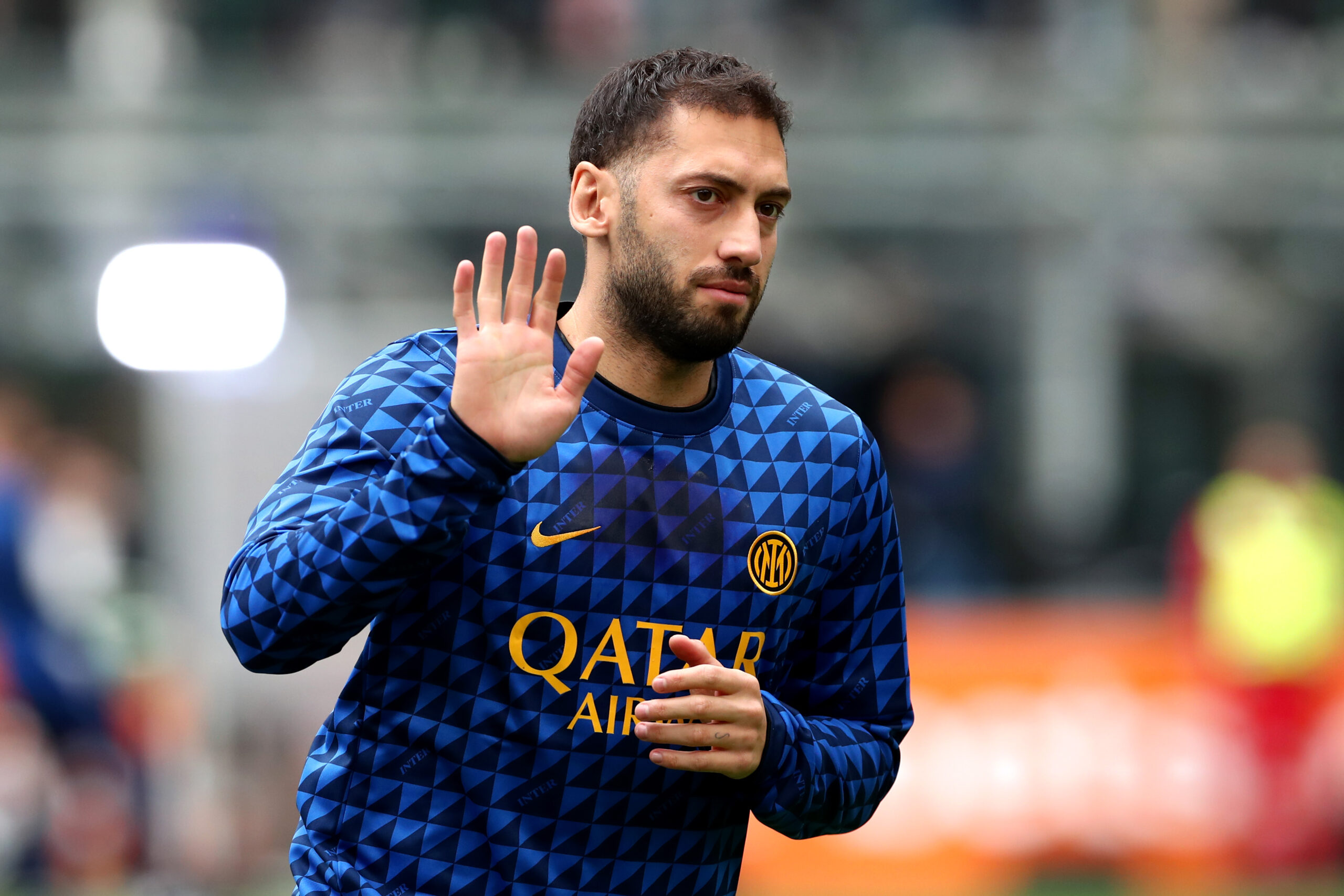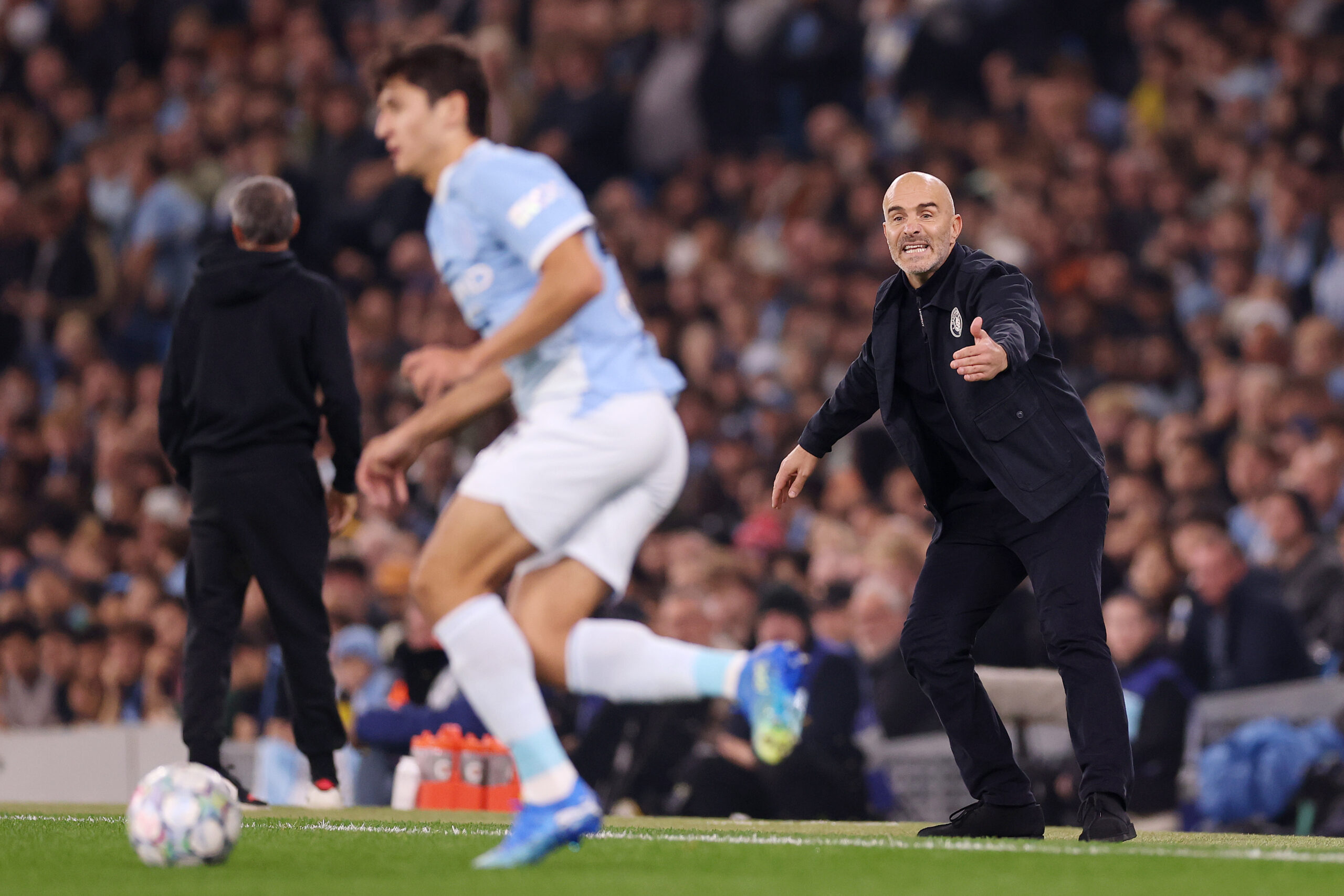


Jürgen Klopp flashed that trademark smile after Germany’s Friday 3-1 win in Serbia, exclaiming: “We wanted to set up a final against the Netherlands in Berlin, and now we have it.” The victory brought them level with Greece on eight points, but the Greeks own the head-to-head tie-breaker despite their shocking 7-0 loss to the Netherlands last Friday. So now two of the stronger teams in Group A2 will meet in Berlin’s Olympiastadion, and it’s the host side that’s under real pressure.
What’s at Stake
The Netherlands top the group with 11 points. The only way Oranje can NOT qualify for the next round is to suffer a 14-goal swing in Greece’s favor. A draw for them is enough to win the group.
For the Germans it’s rather simple: win. Victory will send them to the March quarterfinals no matter what happens in Volos. They finish first if they win and Greece fall to Serbia, or if they win by five goals or more. If they draw, then they’ll need Serbia to defeat Greece. Lose, and they’ll finish third but given their points total should avoid the relegation play-off and remain in Group A for the next tournament.
A Long and Bitter Rivalry
These two storied soccer nations (and neighbors) really don’t like each other. They share a rivalry that started in earnest back in the 1974 World Cup, when West Germany defeated the Dutch 2-1 in the final. The Netherlands finally got revenge in Hamburg at Euro 1988, when Marco van Basten’s goal won the semifinal 2-1. That match ended a 32-year wait for a Dutch win on German soil and for many supporters was a bigger victory than the subsequent win over Russia to lift the trophy.
The conflict has some ugly chapters as well. In the 1990 World Cup Round of 16, Dutch midfielder Frank Rijkaard spat in Rudi Völler’s hair after a confrontation. Both were sent off, and West Germany won 2-1 on their way to their third title.
Regardless of the context, a match between these two is always played at the highest level of intensity. There is no “friendly”. Statistically, Germany lead the all-time series 18 to 12, with 19 draws. Most recently, in September, Cody Gakpo’s stoppage-time volley canceled out Felix Nmecha’s goal for a 1-1 draw and denied his former Liverpool coach Jürgen Klopp a winning debut.
Germany Probable Lineups
Germany are missing Jamal Musiala and Serge Gnabry, both out with muscle injuries. Klopp also left Karim Adeyemi, Nick Woltemade and David Raum out of the squad for this cycle. Niclas Füllkrug, the Bundesliga’s top scorer with nine goals, was recalled and has been featuring off the bench. It’s very probable that Klopp will swap in Nico Schlotterbeck for Malick Thiaw, who started in Belgrade mainly to handle Serbia’s long balls. Nathaniel Brown could also replace Maximilian Mittelstädt, injecting a little more pace in left back.
Predicted Germany XI: Ter Stegen; Treu, Thiaw/Schlotterbeck, Tah, Mittelstädt; Kimmich, Pavlović; Gruda, Wirtz, Scherhant; Havertz/Füllkrug.
Netherlands Probable Lineups
Holland’s long-time captain Virgil van Dijk and striker Brian Brobbey both excused themselves from camp ahead of the break, and frankly they were not missed against Greece. The loss of Frenkie de Jong is a blow. The midfielder, who had only recently returned from injury, came off at halftime against Greece with back pain and has traveled back to Barcelona. Xavi will likely slot Teun Koopmeiners into de Jong’s position alongside Joey Veerman. But that should be the only modification to the starting XI that decimated Greece.
Predicted Netherlands XI: Verbruggen; Dumfries, Van Hecke, Van de Ven, Timber; Veerman, Koopmeiners; Summerville, Reijnders, Gakpo; Malen
Players to Watch
Thirteen different Dutch players have recorded a goal or assist in the past five games. They’re led by Tijjani Reijnders who recorded a first-half hat-trick against Greece and has five contributions (4g/1a). Donyell Malen is behind him with three contributions (1g/2a) but he has scored 12 for Roma so far. Jurriën Timber scored twice from left back, his first goals for Holland. Micky van de Ven has been a standout replacement for van Dijk, working alongside Jan-Paul van Hecke.
Florian Wirtz has been Germany’s standout player in the group phase, with two goals and an assist. Six other players are sitting on one apiece, and that number tells you a lot about why they’re in their current predicament. They’re great at controlling the ball (averaging 69% possession) and defensively sound (conceding a paltry 0.6 goals/game), but score only 1.2 goals/game. They’ll need offense if they want to knock over the Netherlands. That’s where Füllkrug might come in.
Match Details
Note: the other game in Group A2 between Greece and Serbia will be played simultaneously in Volos.
- Competition: UEFA Nations League, League A, Group 2, Matchday 6
- Date: Monday, November 16, 2026
- Kickoff: 2:45 p.m. ET / 11:45 a.m. PT (8:45pm CET)
- Venue: Olympiastadion, Berlin
- Watch: Broadcast live on FS1

The Qooligan is an alias of Hooligan Soccer founder Q Williams. Q is a 20+ year veteran of numerous technology and media companies, including MTV, Gracenote, Watchwith and Crunchyroll. He has a master’s degree in European History from Columbia University. Q is also a respected Sports Journalist with extensive experience in Soccer, particularly the Premier League, Champions League, MLS and USL. The Qooligan provides analysis and valuable insights based on years of professional practice. Connect with The Qooligan on X and Bluesky. He is committed to delivering accurate, trustworthy content that reflects expertise, experience and no shortage of attitude.