
Valencia CF. Six-time La Liga champions. Two-time UEFA Champions League finalists. A powerhouse of Spanish soccer who were often considered a Big Three club before Atlético Madrid re-emerged in the 21st century.
Today, they are a bottom-three club, sitting all the way in 20th after five matchdays in La Liga so far.
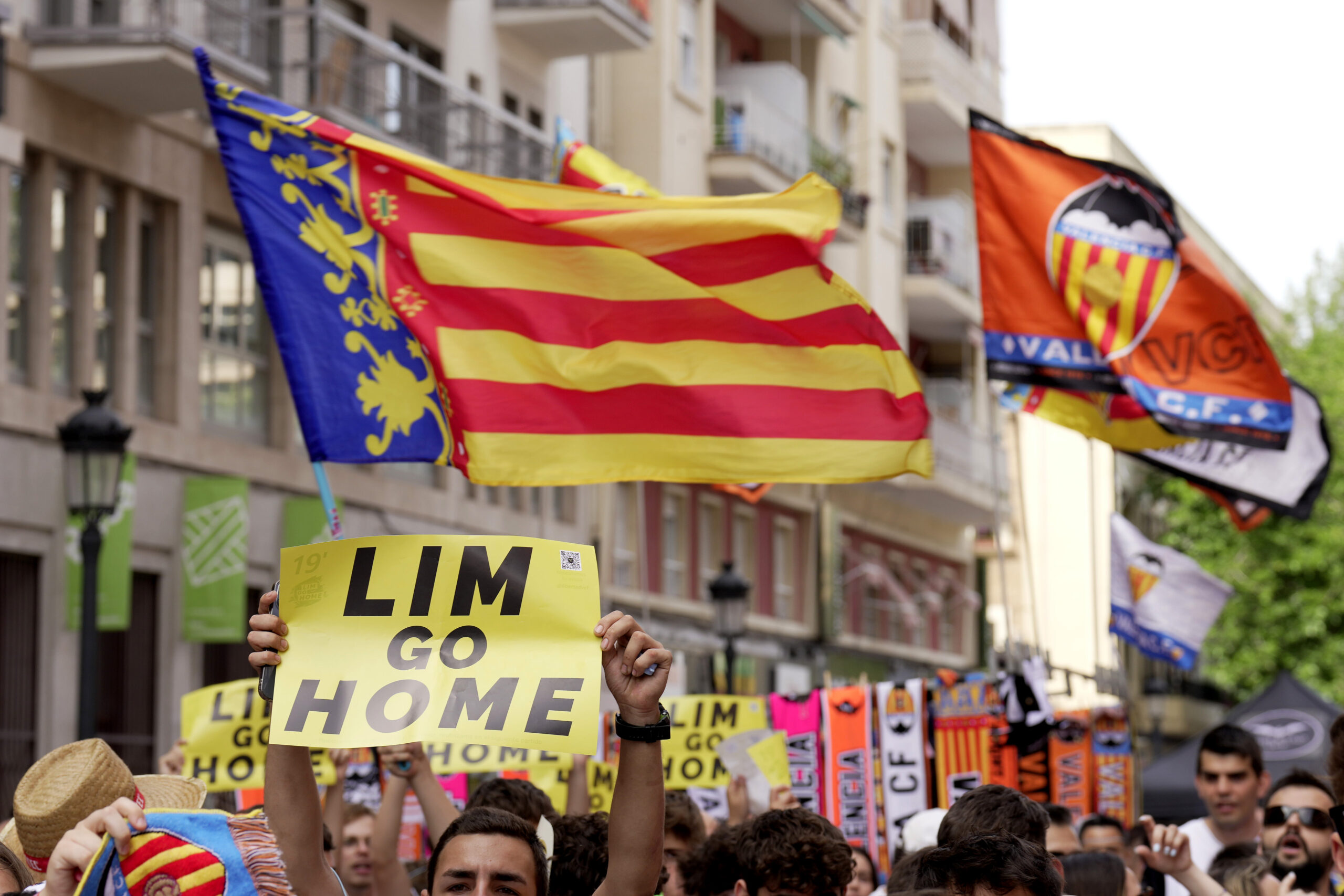
Valencia have spent years battling financial problems, faced internal politics and growing anger toward owner Peter Lim. Their new stadium has remained unfinished for years, their squad has been repeatedly stripped of its best players and supporters have organized some of the most sustained protests against an owner in Spanish soccer.
How did one of Spain’s most successful clubs fall so far?
The Golden Era
Los Murciélagos have not played in La Liga in only four seasons of their existence, and were briefly third in the all-time La Liga table behind Real Madrid and FC Barcelona.
While historically always a big team, Valencia’s modern rise began under Héctor Cúper, who guided the club to back-to-back Champions League finals.
The first came in 2000 against Real Madrid, where they lost the final 3-0 to their fellow Spanish club. A year later, Valencia repeated the miracle again, this time facing Bayern Munich. The match finished level after extra time before Bayern won the penalty shootout.
Following back-to-back defeats, Cúper eventually left the club for Inter Milan, and Valencia appointed Rafael Benítez from Tenerife to build on that momentum and hopefully garner some silverware.
Benitez did exactly that at Valencia
Benítez led Valencia to their first La Liga title in 31 years during the 2001-02 season. Two years later, he won the league again and added the UEFA Cup and another Copa del Rey to the club’s trophy cabinet.
Between 1999 and 2004, Valencia won two La Liga titles, a UEFA Cup and a Copa del Rey while reaching two Champions League finals. Benítez became the most successful manager in Valencia history and it looked like there was a legitimate threat to the duopoly in Spain.
But Benítez left Valencia in 2004 after disagreements with the club’s president over transfer policy. He joined Liverpool and won the Champions League with the English club a year later.
Valencia went through a revolving door of managers after Benítez’s departure. Before he arrived, there had only been 42 managerial changes at the club since 1921. There have been twenty-nine in just two decades after him.
The Nou Mestalla
As they started to establish themselves as a big club in the mid 2000s, the notion of being big got to their heads. In November 2006, Valencia president Juan Soler unveiled plans for a spectacular new stadium that would replace the classic, old-school Mestalla.
The Nou Mestalla (New Mestalla), whose construction began in August 2007, was supposed to become one of the biggest and most modern stadiums in Europe, with a planned capacity of around 80,000 spectators.
The financial plan was that Valencia would build the new stadium, sell the existing Mestalla and use the proceeds to continue financing the project and invest in the sporting side.
But in 2008, Spain saw a market crash. The 2008 financial crisis devastated Spain’s construction and real estate sectors. The money Valencia expected from selling Mestalla became increasingly difficult to secure. By February 2009, Valencia announced that construction had been temporarily halted.
The consequences were severe. Valencia’s debt had reportedly climbed above $585 million, while the club struggled to meet its financial obligations. Workers died, players went unpaid and the situation became so serious that construction would not be resumed for 16 years, under a new man at the helm.
The Peter Lim Era at Valencia
With years of rising debt and collapse on a sporting level, Valencia desperately needed a savior.
Enter Peter Lim.
The Singaporean business magnate had already shown an interest in European soccer before turning his attention to Valencia. In October 2014, Lim’s company Meriton Holdings acquired approximately 70 percent of Valencia’s shares for around $117 million.
The agreement also involved refinancing roughly $269 million of the club’s debt, while Lim’s overall financial commitment, including money intended for the stadium project, was reported to be around $468 million.
Valencia fans thought their dark days were over. Lim arrived at a broken club, paid off their debts, and looked to usher Valencia into a new era.
The Good
Under Lim, Valencia continued to produce and develop talented players. The club’s academy and scouting network started producing elite soccer players, including David Villa, Juan Mata, Jordi Alba, David Silva, Isco and Ferran Torres.
In those early years of Lim, the transfers and the influx of money seemed to be leading Valencia to the right direction.
João Cancelo was sold for more than $47 million. Nicolás Otamendi left for around $52 million, while Shkodran Mustafi was sold for approximately $48 million. Ferran Torres also eventually joined Manchester City for around $39 million, while Gonçalo Guedes also generated more than $35 million for the club.
The Bad
The problem for Valencia was what happened to the money.
Instead of using player sales to consistently rebuild a competitive squad, an increasing amount of the revenue was needed simply to keep the club financially afloat. Peter Lim was selling players at will and not using the money generated towards the club. Even if he was, it was not being directed towards the right sources. Valencia kept losing their identity while making Lim rich on a personal level.
The Downward Spiral of Valencia
In 2017, Valencia appointed Mateu Alemany as sporting director and Marcelino as head coach. Valencia qualified for the Champions League in consecutive seasons, reached the Europa League semifinals and, in May 2019, defeated Barcelona in the Copa del Rey final. It finally was looking positive for the club.
Four months later, Marcelino was sacked.
Marcelino and Alemany reportedly wanted Valencia to sign Barcelona midfielders Denis Suárez and Rafinha that summer. Those moves were blocked by the board without explanation. There was also disagreement over Rodrigo Moreno. Lim reportedly wanted the striker sold to Atlético Madrid, while Marcelino opposed the move.
Marcelino later argued that winning the Copa del Rey had ultimately contributed to his departure. The trophy had painted over the cracks of a clearly crumbling soccer club. Alemany was also pushed out two months later and he subsequently joined Barcelona as sporting director.
Paco Polit, a journalist who closely follows Valencia, has described 2019 as the moment the club’s decline was effectively sealed.
A Fight For Freedom
Under Peter Lim, managers and players kept on leaving. In 2020, club legend Dani Parejo was pushed out of the club alongside Francis Coquelin, with the pair joining Valencia rivals Villarreal. This move caused even further anger towards Peter Lim.
In 2020, supporters’ group Libertad VCF was formed to oppose the ownership. Its first major protest in May 2021 attracted around 8,000 people. By December of that year, approximately 15,000 supporters took part in another demonstration, with former Valencia players and club legends also joining the protests.
By 2022, Valencia had reportedly recorded around $47 million in losses the previous year and needed to generate between $70 million and $82 million in player sales to remain within financial regulations.
In 2025, Peter Lim appointed his son, Kiat Lim, as Valencia’s president. His appointment only frustrated the supporters further, particularly as he does not live permanently in Valencia.
Despite attempts by other businessmen to buy the club away from Lim, he has reiterated that he does not plan to sell Valencia at any cost.
Valencia CF in 2026
September 2026, Valencia sit dead last in La Liga with no wins in their opening five games. Manager Carlos Corberán, who miraculously saved Valencia from relegation a few seasons ago, has just been sacked after a poor start to the season.
Every touch, every kickoff and final whistle is relentlessly booed by Valencia fans at the Mestalla Stadium, which will be the last season it stays as the home of Valencia before their move to Nou Mestalla.
25 years ago, they were Champions League finalists. 22 years ago, they were the last team outside of the Big Three to win a La Liga title. But in 2026, as they get ready to say goodbye to their old Mestalla Stadium, they might be looking to say goodbye to first-division soccer as well, and hopefully, a goodbye to Peter Lim too.
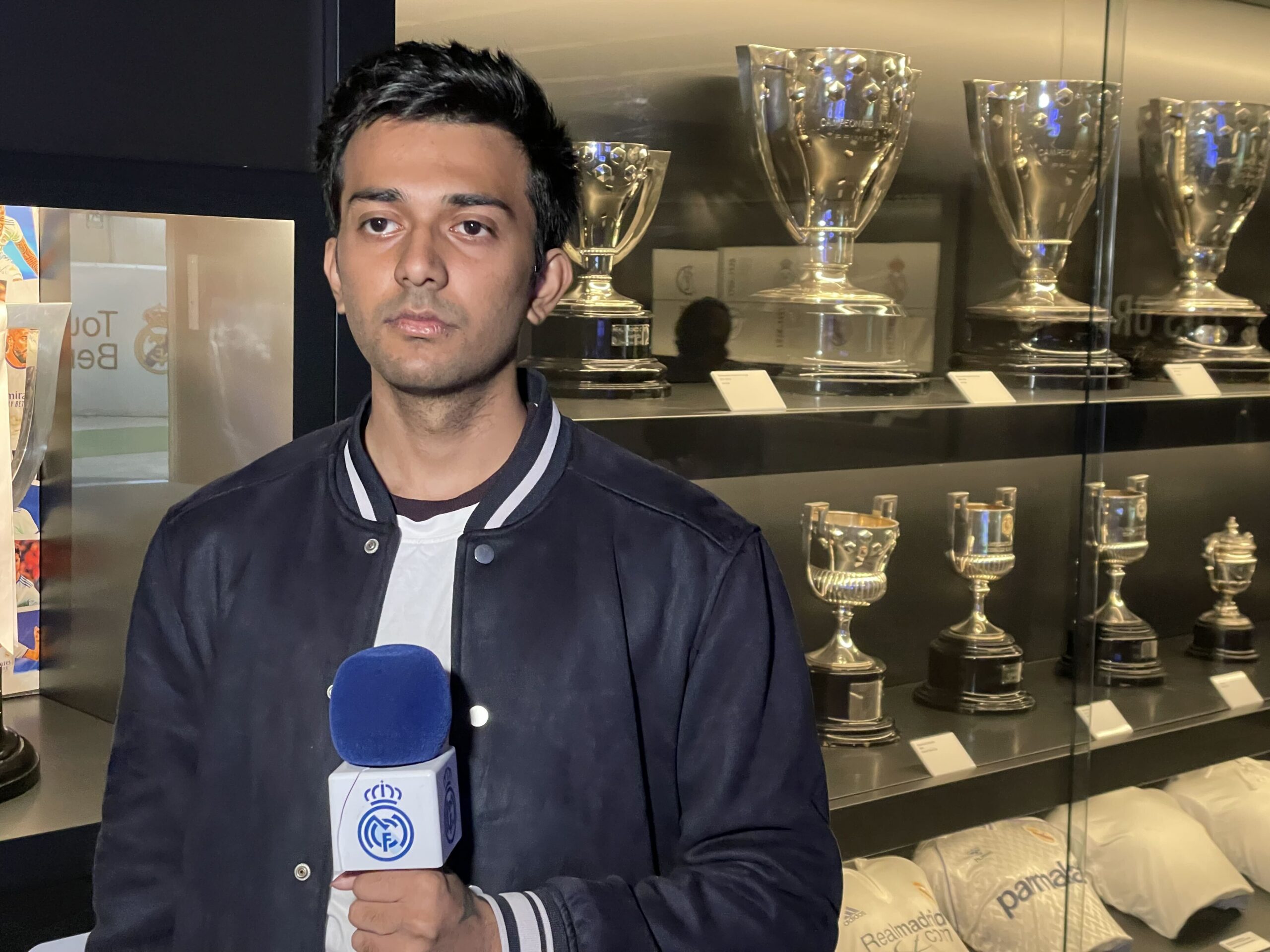
Abhik Deb is an accomplished sports journalist and content creator, renowned for his innovative approach to digital storytelling within the football world. With a Master’s degree in Sports Journalism and Communications from Universidad Europea de Madrid, Abhik brings a sophisticated understanding of both traditional journalistic tenets and contemporary digital media strategies to his work. His professional journey includes a significant tenure as a multimedia journalist at Real Madrid C.F., where his contributions spanned video editing, scriptwriting, and on-camera presenting. Notably, Abhik made history as the first Indian to record a live stand-up from the hallowed Santiago Bernabéu pitch for Real Madrid TV, underscoring his pioneering spirit and influential presence. A specialist in La Liga and Spanish football, Abhik excels at captivating audiences through viral football content and insightful documentary-style videos. His natural ability to blend rigorous journalism with creative digital storytelling is evident in his independent fan channel, ‘LaLigaVic,’ where he cultivates a growing audience through engaging, original coverage of Spanish football culture. Abhik’s proficiency extends to social media strategy and audience engagement, crucial skills in today’s digital landscape. You can explore more of Abhik’s work on Hooligan Soccer and Muckrack. Connect with Abhik on Instagram, LinkedIn, and YouTube to follow his continuous dedication to delivering high-quality, authoritative sports content.