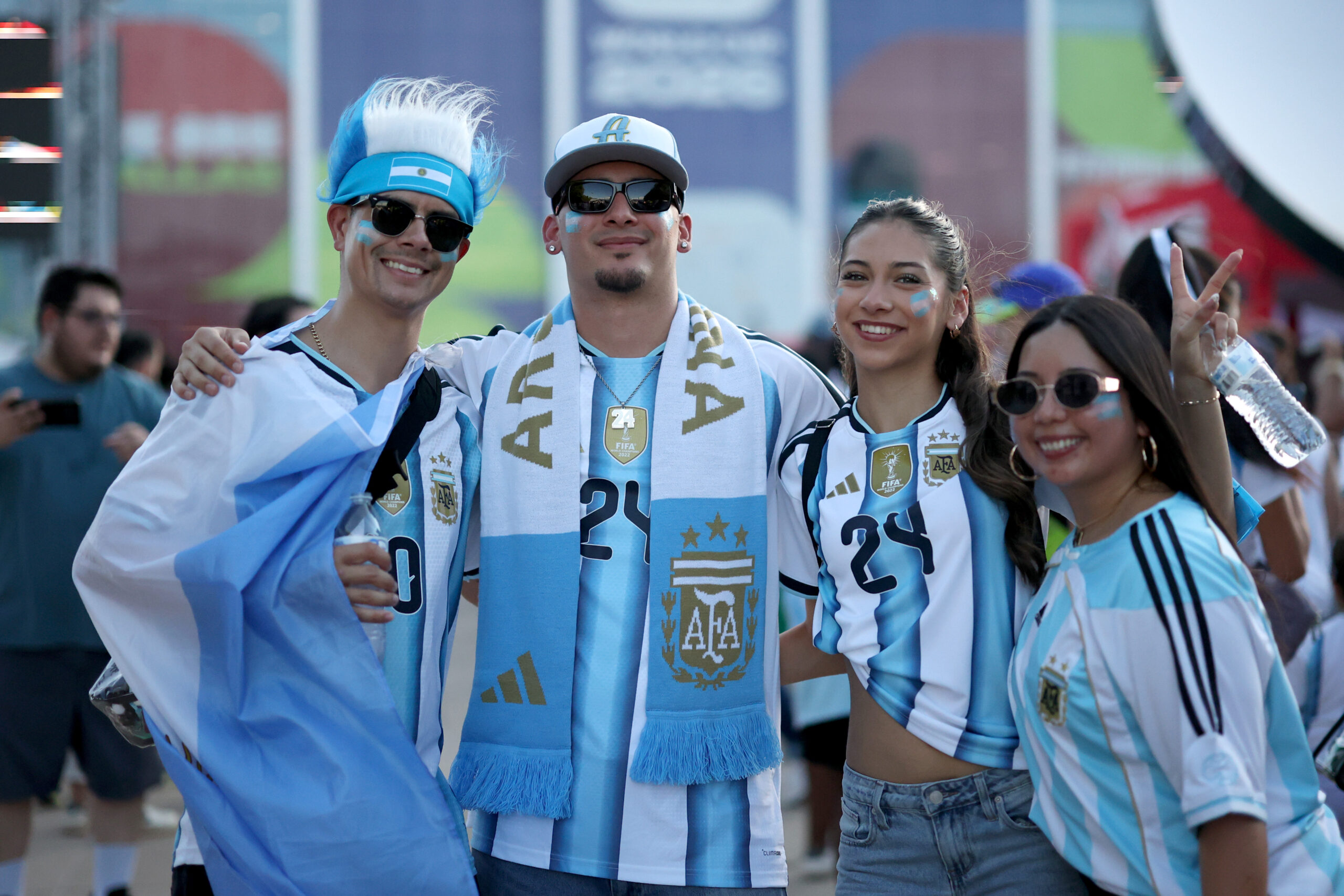

There is a particular silence that falls over an Argentina supporter when the group stage ends. The chants quiet, the calculators go away, and the only thing left is the oldest math in football: win, or go home. The serious business now begins – and for once La Albiceleste arrive at it with everything in order.
A flawless start
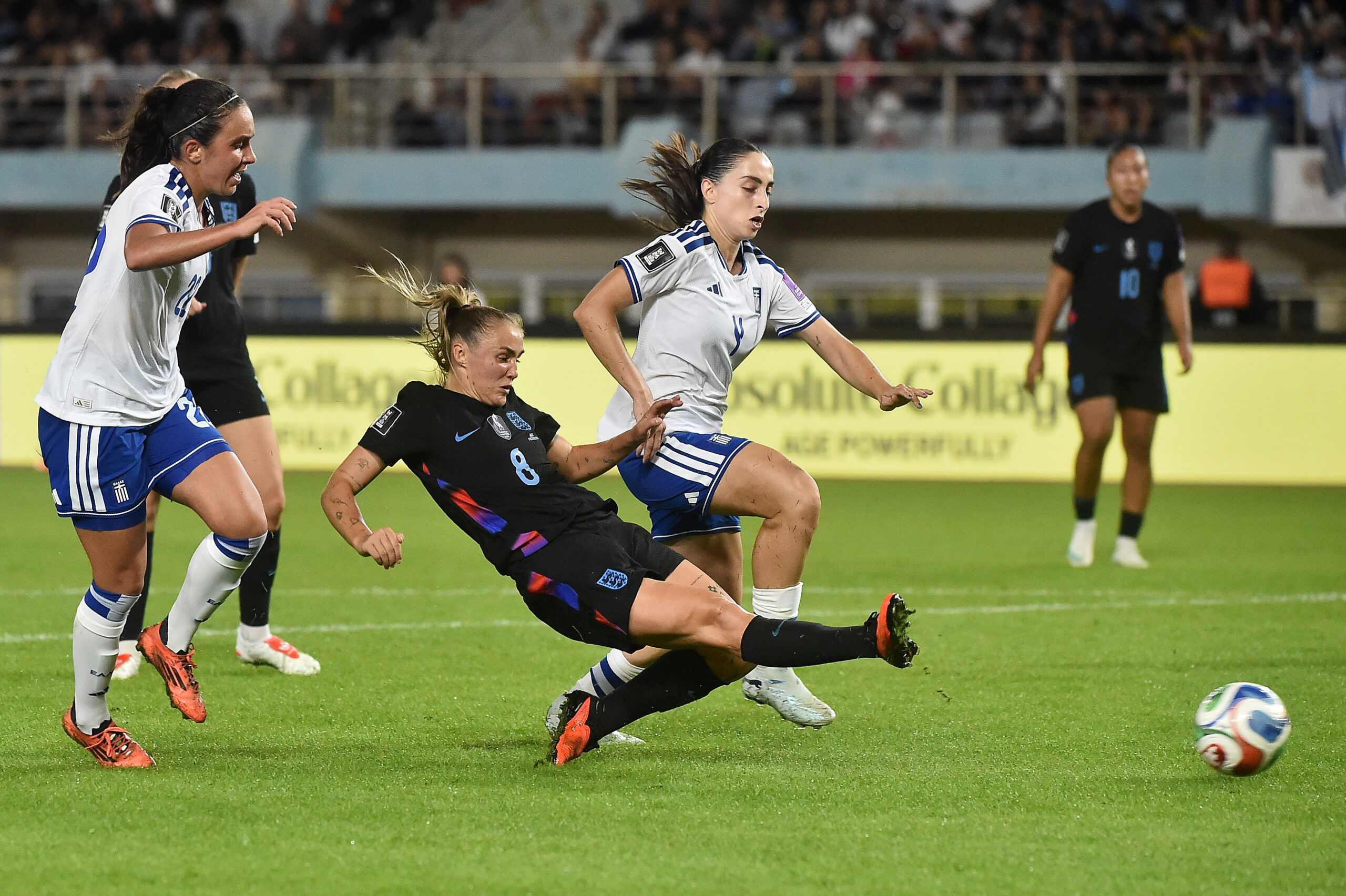
Argentina did not stroll through Group J so much as glide. Three matches, three wins, nine points, and not a single goal conceded until a dead Jordan rubber that no longer mattered. They opened by dismantling Algeria 3-0, handled Austria 2-0 to seal top spot before a ball was even kicked in the finale, and closed it out 3-1 against a debutant Jordan side. The reigning world champions looked less like a team defending a title and more like one intent on winning it twice.
The story, inevitably, runs through one man. Lionel Messi’s hat-trick against Algeria pulled him level with Miroslav Klose as the all-time leading scorer in World Cup history.
His brace against Austria pushed him clear of it, alone at the top with 18 goals. At 38, he became the oldest player ever to score a World Cup hat-trick, the first man to feature in six World Cups, and the third to score in six consecutive World Cup matches. Whatever this tournament becomes for Argentina, it is already a victory lap with teeth.
Friday in Miami
The reward for finishing first is Cape Verde, on Friday, July 3, at Hard Rock Miami Stadium in Florida. On paper it is the gentlest possible draw. In spirit, it is the best story in the tournament walking straight into the buzzsaw.
Cape Verde, with a population around half a million, are the smallest nation ever to reach a World Cup knockout round. They did it on their tournament debut, advancing on the strength of three group-stage draws. The Blue Sharks have nothing to lose and a continent behind them. Argentina will be heavy favorites, and rightly so, but knockout football has a long memory for sides that treat the romantics lightly. Expect Lionel Scaloni to demand the job be finished early, before the underdog finds its legs and the neutral crowd finds its voice.
The road ahead
Here is where Argentina’s draw starts to look genuinely kind. The bracket sets up like this:
• Round of 32 (Jul 3, Miami): Argentina vs. Cape Verde
• Round of 16 (Atlanta): the winner faces Australia or Egypt
• Quarterfinal: a likely path through Switzerland, Colombia, Ghana, or Algeria
• Semifinal: the heavyweight bridge — Brazil, England, Mexico, Japan, Ecuador, or DR Congo could be waiting
If the seeds hold, Argentina don’t meet a genuine giant until the final four. In a 48-team World Cup, where the expanded field has scattered landmines across every other quadrant of the bracket, that is close to the dream scenario. The danger, as ever, is the one nobody circles in advance: an Egypt or a Colombia catching fire, a single bad night in a one-off game.
The weight they carry
Argentina are not sneaking up on anyone. They are the champions, they have the greatest scorer the tournament has ever seen still bending matches to his will, and they have a draw that asks them to be professional before it asks them to be brilliant. That is a luxury and a burden at once. Favorites are expected to win until the moment they’re expected to have won — and the gap between those two things is exactly where World Cups are lost.
But this is the stage Argentina were built for, and the one Messi has waited his whole career to revisit one final time. The chants will start again on Friday night in Miami. The math is simple now. Win, and move on.
The serious business has begun.