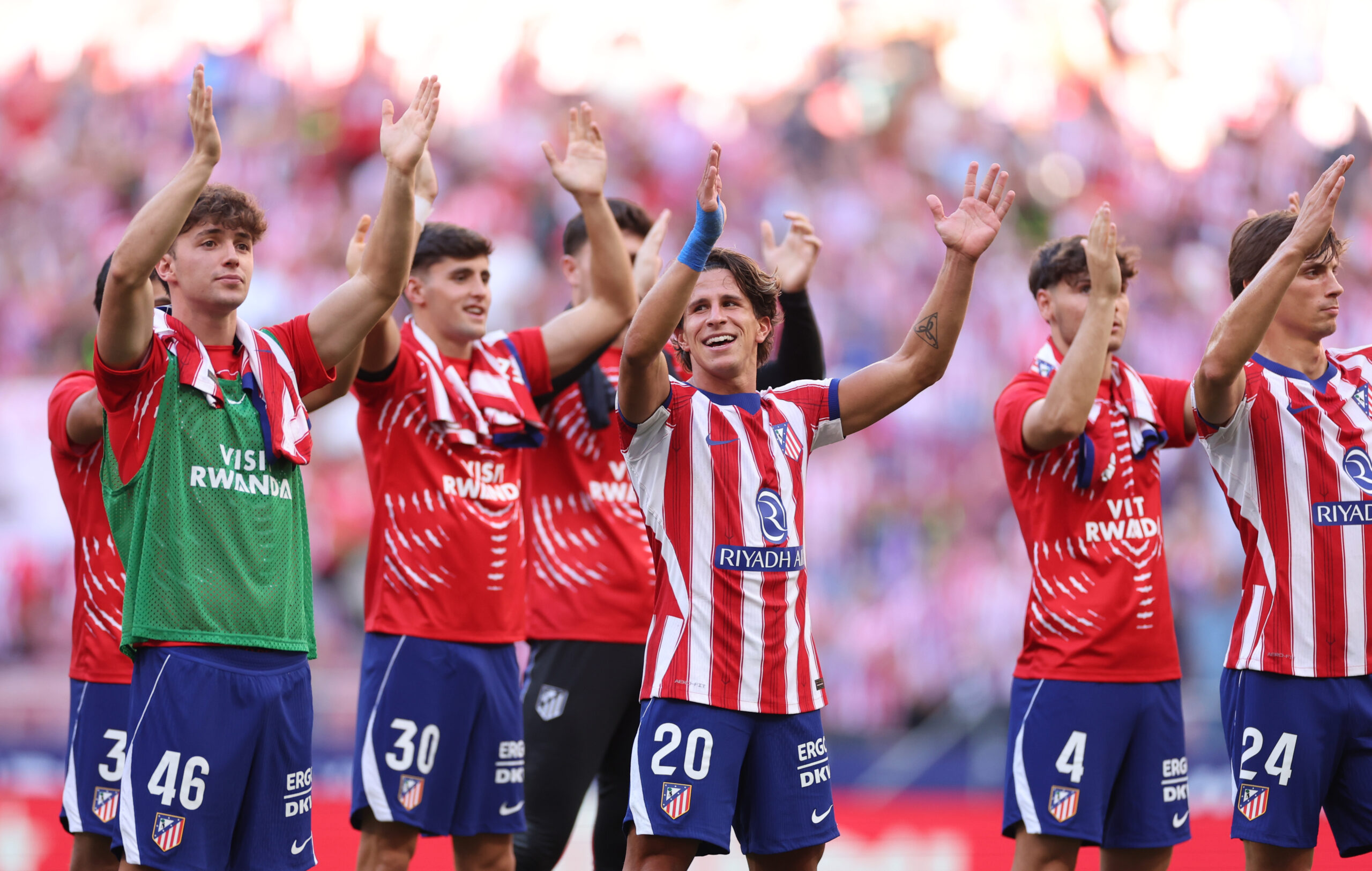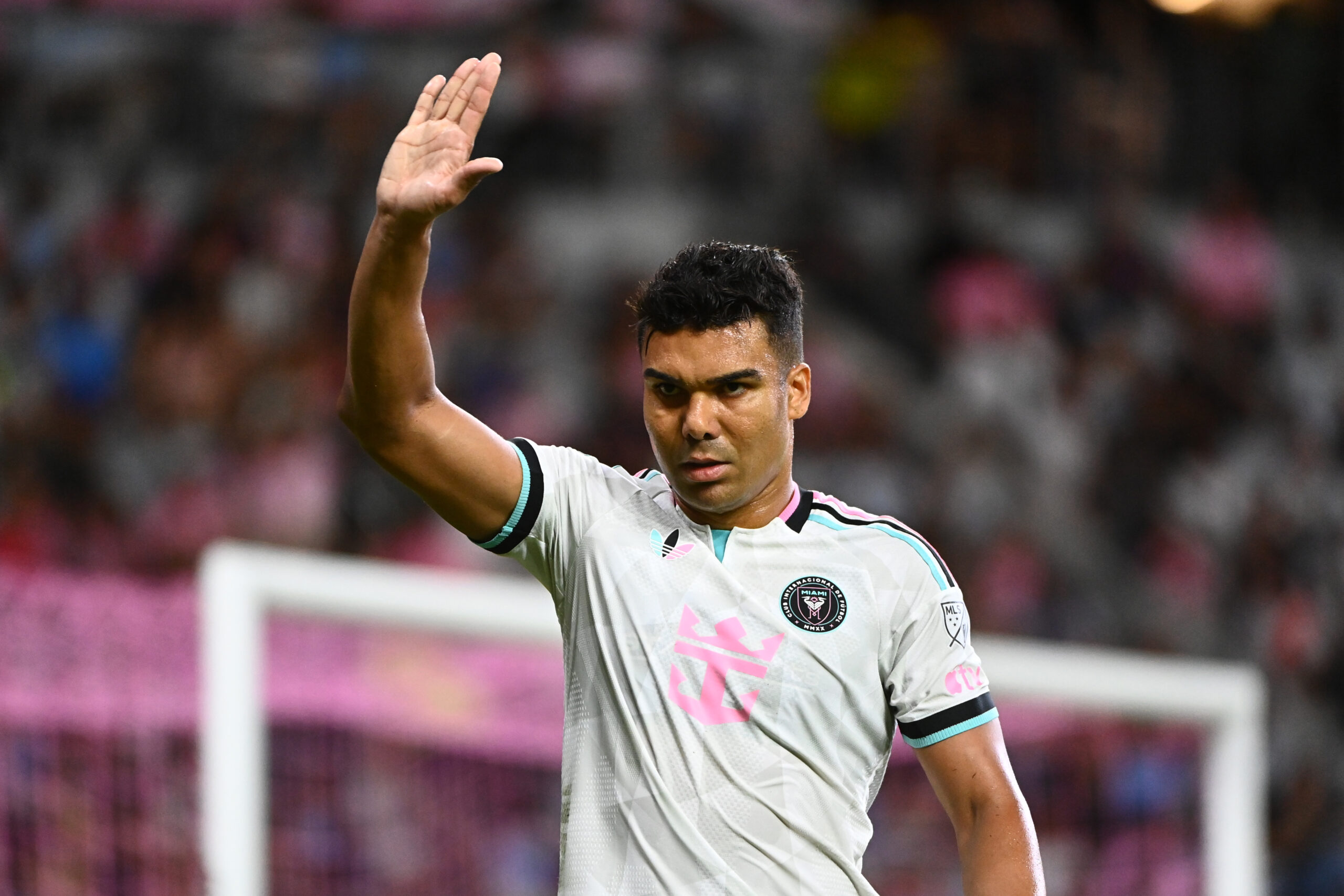
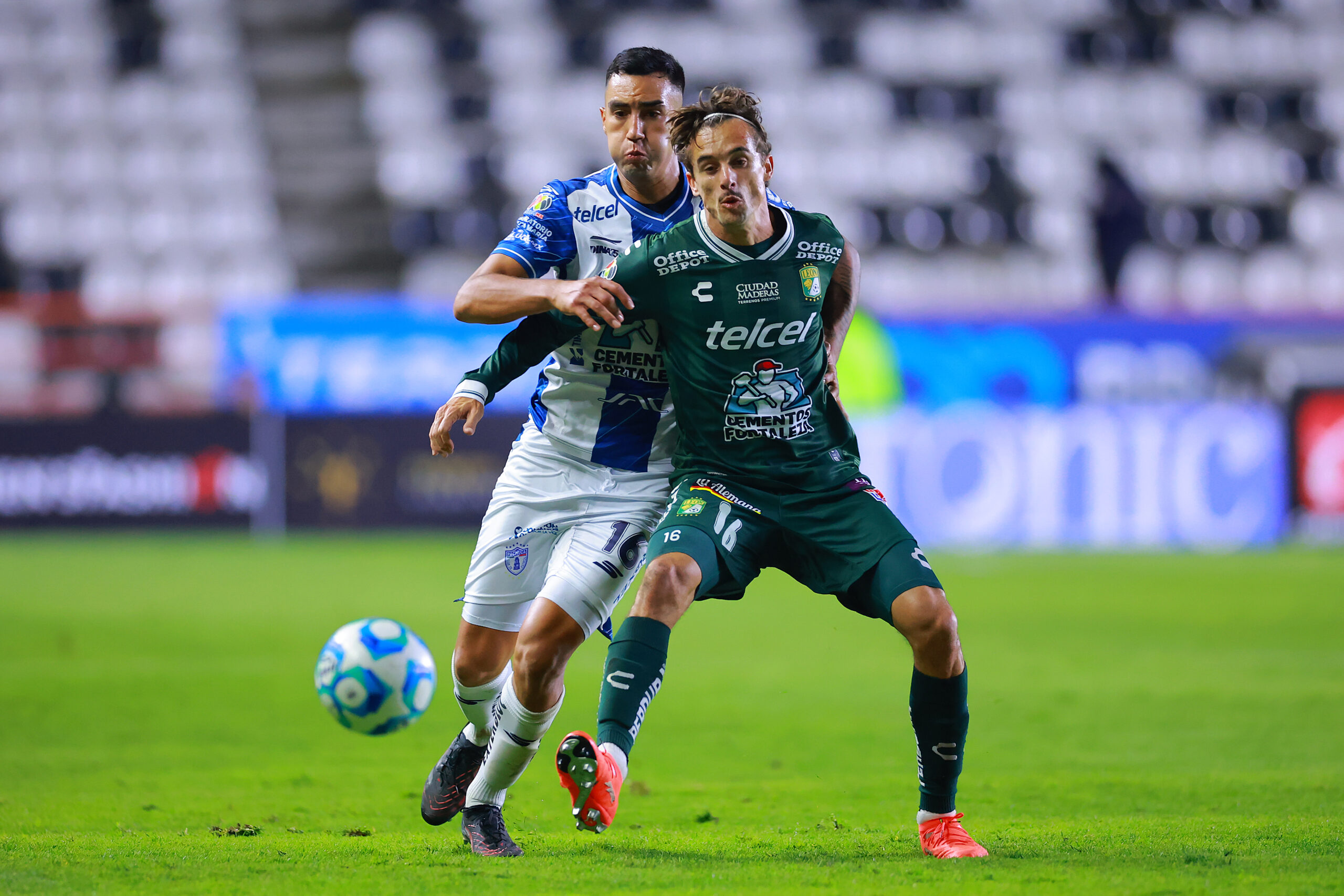

If you ever needed proof that Mexican football plays by its own rules, you didn’t have to look very far. For years, Liga MX operated under a system that would raise eyebrows anywhere else: the same ownership groups controlling multiple teams in the same competition—and somehow, everyone learning to live with it.
It wasn’t hidden. It wasn’t even controversial internally. It was just… how things worked.
Until it stopped working.
The moment that forced the conversation wasn’t a boardroom decision or a long-term vision plan—it was when Club León was excluded from the FIFA Club World Cup in 2025. That decision didn’t just affect one club; it exposed an entire structure that had been stretched to its limit.
And suddenly, Liga MX had a problem it could no longer manage quietly.
When Owning One Team Wasn’t Enough
Long before the current wave of sales and restructuring, multi-ownership in Mexico had already evolved into a full-scale business model.
By the 1990s, media giants weren’t just broadcasting football—they were owning it. Grupo Televisa built one of the most powerful portfolios in the league, controlling Club América, Necaxa, and San Luis at the same time. It wasn’t subtle. It was strategic.
On the other side, TV Azteca followed a similar path, taking charge of Monarcas Morelia, Puebla, and Veracruz.
This wasn’t just about football. It was about content, ratings, and control. Clubs became assets, and the league adapted around that reality. At some point, the question stopped being whether it was fair, and became whether it was simply too useful to give up.
Reform… or the Appearance of It
There have been attempts to clean things up. Plenty of them.
In 2013, the FIFA pushed for stricter rules against multi-ownership, forcing the Federación Mexicana de Fútbol to act. A five-year deadline was set. Transparency rules were introduced. Sanctions were promised.
On paper, it looked like the beginning of the end. In reality, it was more like a soft reset.
Grupo Televisa did reduce its footprint, selling off clubs like Necaxa and San Luis. But for the rest, consequences were minimal, and the structure largely remained intact. Liga MX didn’t so much eliminate multi-ownership as learn to live more comfortably with it.
The Second Wave: Business Over Sport
If anything, the model evolved. Between 2018 and 2022, a new generation of ownership groups leaned into the system rather than away from it.
Grupo Orlegi took control of Santos Laguna and Atlas.
Grupo Caliente operated Tijuana and Querétaro.
Grupo Pachuca held onto Pachuca and Club León.
And with relegation removed from the league, the risks dropped even further. Performance mattered, of course—but financially, the system rewarded stability and scale over pure competition.
Owning multiple clubs wasn’t just allowed. It made sense.
Now, the Exit Begins
What’s different now is not the rules… it’s the pressure to actually follow them.
In the last couple of years, the unwind has quietly begun:
- Grupo Caliente sold Querétaro in 2025.
- TV Azteca’s footprint has been reduced, with Mazatlán changing hands and Puebla reportedly on the market.
- Grupo Orlegi is moving toward selling Atlas, with businessman José Miguel Bejos emerging as a potential buyer.
If those processes are completed, Liga MX will be left with just one multi-ownership group: Grupo Pachuca, still controlling Pachuca and León (though León itself is said to be available).
For a league that once normalized having multiple overlapping ownership structures, that’s a dramatic shift.
Not a Moral Decision—A Necessary One
It would be nice to say this transformation is about sporting integrity finally winning out.
It’s not. It’s about timing.
The failure of the Mexican national team in 2022 brought structural criticism back into focus. León’s Club World Cup elimination (allowing LAFC to take their place) made the issue global. And with the 2026 World Cup approaching, the cost of looking out of sync with international standards has gone up.
Liga MX isn’t changing because it suddenly wants to. It’s changing because it no longer has a better option.
The End… Probably
If everything goes according to plan, by 2027 multi-ownership in Mexican football will be more of a memory than a reality. But this is Liga MX, so caution is part of the reading experience.
This league has announced the end of multi-ownership before. It has set deadlines. It has promised transformation. The difference now is that, for once, the exits are actually being used.
And after decades of shared ownership, blurred lines, and convenient arrangements, Liga MX might finally be learning how to stand on its own—one owner at a time.
We also recommend: https://hooligan-soccer.com/at-stake-in-the-final-week-of-liga-mx-clausura-2026/

Alejandro Orellana is an accomplished sports journalist based in Mexico City, known for his incisive coverage of Club América and the Mexican National Team. A graduate of Journalism from Escuela de Periodismo Carlos Septien García, Alejandro brings a deep understanding of sports media to his work. His expertise extends to SEO and content creation, allowing him to produce engaging and discoverable sports narratives. He has contributed as a freelance writer for Goal.com, where he notably conducted interviews with MLS players, further showcasing his comprehensive interviewing skills. Prior to this, Alejandro dedicated five years to ESPN’s production department, contributing to renowned shows including SportsCenter, Futbol Picante, and NFL Live. His insightful articles can be found on platforms such as Deportrece and Hooligan Soccer. Connect with Alejandro on @soyalexorellana and Tik Tok to stay updated with his latest work. His commitment to journalistic integrity ensures every piece offers valuable and trustworthy insights for sports enthusiasts.